
Add us as your preferred source on Google to see more of our content in Search.
 Add to Preferred Sources
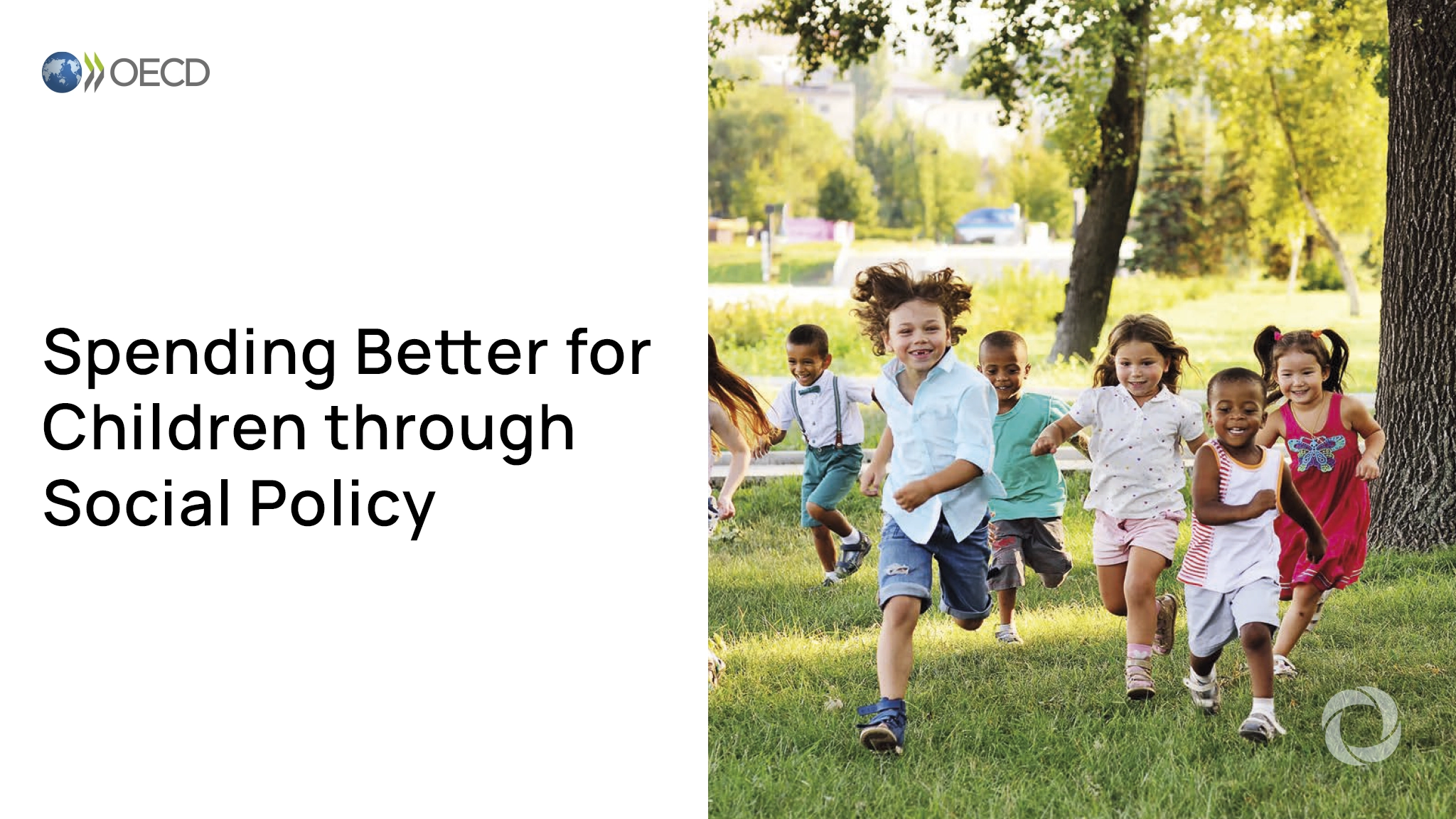
OECD countries could achieve substantially greater improvements in children’s lives by directing additional social spending towards early childhood education and care, employment and income support, and essential services, according to a press release issued on 5 October 2026 by the Organisation for Economic Co-operation and Development (OECD). The new report, Spending Better for Children through Social Policy, applies a value-for-money framework to examine how childhood poverty, material deprivation, educational achievement, and health are shaped by the level, allocation, and design of social spending. It also considers implications for long-term public expenditure.
Higher health and ageing costs have driven social spending across OECD countries from 20 percent to 25 percent of GDP over the last two decades. Spending on families with children remains below 10% of that total. Today, one in eight children across the OECD lives in income poverty, educational outcomes are deteriorating, and more than one in five adolescents report fair or poor health. If social spending continues to grow at its historical pace, child poverty could fall by around 1.5 percentage points over the next decade.
The report finds that investing in early childhood education and care (ECEC) can deliver particularly strong returns. Directing one additional percentage point of social spending growth towards expanding ECEC coverage could make the investment around 50% more effective at reducing child income poverty than if the allocation of the social budget remained unchanged. Child poverty could fall by around 2.25 percentage points over the next decade, while the share of low performers in PISA could decline by around 4%. The analysis also suggests that this additional investment could leave social expenditure around 2% lower over the long term.
“Investing in children is one of the most important actions governments can take to build a stronger future. While spending more can make a difference, spending better can make a much bigger difference,” OECD Secretary-General Mathias Cormann said.
He added that investing in early childhood education and care, supporting parents into employment, providing adequate income support, and ensuring access to quality services can give every child a better start in life. Increasing the share of social spending devoted to family cash benefits by one percentage point could make future spending increases around 27% more effective at reducing relative child poverty. Active labour market policies could become around 24% more effective in reducing child poverty with a similar additional allocation.
Healthcare, housing, and other social services remain essential to help families meet needs that additional income alone may not address. Directing one additional percentage point of social spending towards these areas could make future spending increases about 9% more effective at reducing severe material deprivation. Greater investment in healthcare can also help moderate the long-term growth of social spending. Making ECEC accessible to disadvantaged children is as important as ensuring its quality, enabling parents to work and strengthening family incomes. The OECD concludes that getting the policy mix right can secure stronger outcomes for children while supporting more sustainable public finances.