
Vaccines generate over US$ 30 billion in economic benefits for lower-income countries in 2025 | Report
Add us as your preferred source on Google to see more of our content in Search.
 Add to Preferred Sources
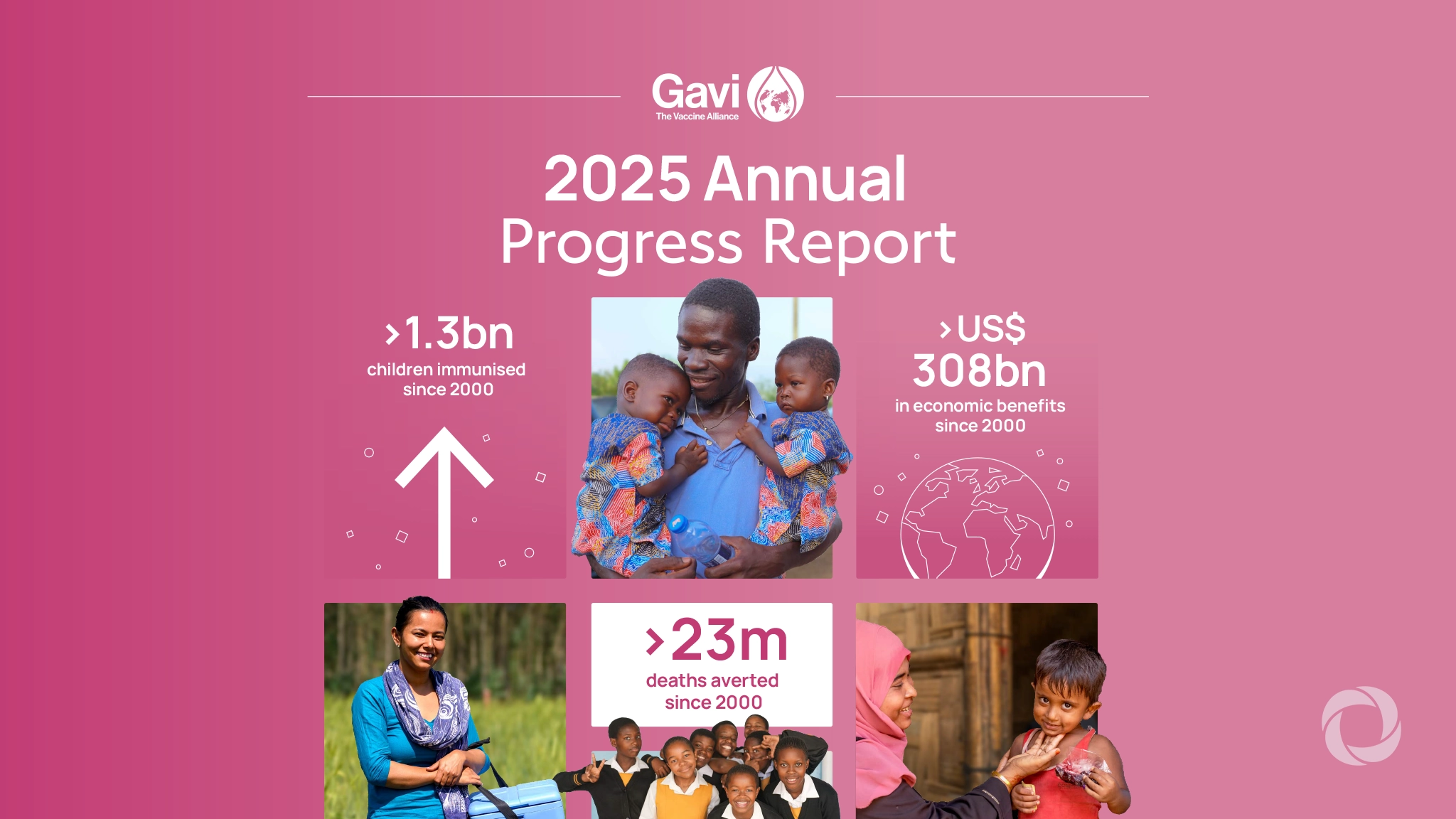
Vaccine programmes supported by Gavi, the Vaccine Alliance generated more than US$ 30 billion in economic benefits in 2025, the highest annual total in the Alliance’s history, according to a press release accompanying Gavi’s annual report published on October 7, 2026. The gains came from preventing illness, death and long-term disability, sparing countries healthcare and wider societal costs, and helping children achieve higher educational attainment leading to longer, more productive working lives. In the same year, lower-income countries contributed a record US$ 301 million toward the cost of Gavi-supported vaccines through the Alliance’s co-financing model. The announcement was made from Geneva. Together, the figures mark the strongest annual performance in Gavi’s history.
Under Gavi’s co-financing model, countries progressively assume a greater share of vaccine costs as their economies grow. Over the last five years, countries have matched the total they contributed over the previous 13 years combined. From 2026–2030, implementing countries are projected to fund nearly 50% of the costs of their vaccines. Gavi’s fifth strategic period covered 2021–2025. The Alliance has operated since 2000.
Gavi’s Annual Progress Report also shows record public health impact in 2025. Gavi-supported programmes immunised more than 73 million children and prevented more than 2.2 million future deaths, both record annual totals. The results bring the 2021–2025 strategic period to a strong close, with more than 351 million children immunised against a target of 300 million. From 2021–2025, vaccination helped avert more than 7.8 million future deaths, meeting Gavi’s strategic target. The total number of future deaths prevented since 2000 now exceeds 23 million.
In 2025, the gap in routine immunisation coverage between Gavi-supported countries and the rest of the world fell to its lowest level on record.
“Governments must take incredibly difficult decisions as to how they invest their budgets, however when it comes to immunisation we know that the return on investment extends far beyond health to supporting sustainable, inclusive economic growth,” said Dr Sania Nishtar, CEO of Gavi, the Vaccine Alliance.
UNICEF Executive Director Catherine Russell said UNICEF would continue to work with partners to help ensure every child has access to life-saving immunisation. WHO Director-General Dr Tedros Adhanom Ghebreyesus added that countries understand the cost of failing to vaccinate is far too great. The gains have also helped prevent disease outbreaks across borders.
While Gavi has yet to meet its fundraising target for 2026–2030, the Alliance has maintained its ambition to protect 500 million more children and prevent 8–9 million future deaths. It also aims to support a further 10% reduction in under-five mortality and generate more than US$ 100 billion in economic benefits from 2026–2030. Gavi will place emphasis on reaching children who continue to miss out on vaccination, particularly those in conflict-affected and humanitarian settings. Central to these efforts is the Gavi Leap reform agenda, aligning support more closely with national priorities and simplifying collaboration. The Alliance aims to ensure the benefits of immunisation continue to be felt by families, health systems and economies for years to come.