
Add us as your preferred source on Google to see more of our content in Search.
 Add to Preferred Sources
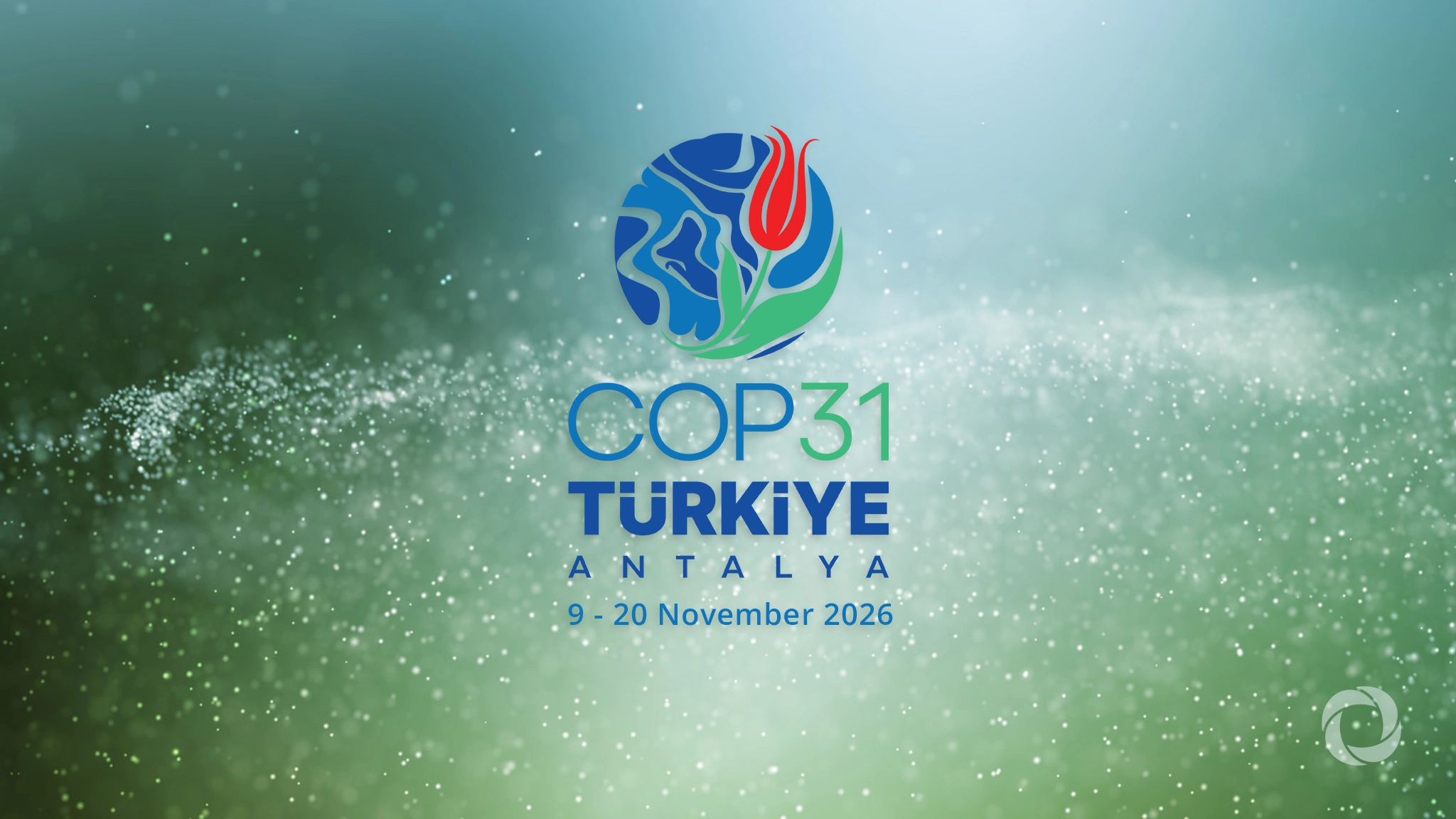
📅 9 – 20 November, 2026
Antalya, Türkiye
COP is the 31st Conference of the Parties to the United Nations Framework Convention on Climate Change (UNFCCC). “COP” stands for Conference of the Parties. The Conference of the Parties is the supreme decision-making body of the UNFCCC, which was adopted in 1992.
All States that are Parties to the Convention are represented at COP. At their annual sessions, the Parties review the implementation of the Convention and any related legal instruments, assess global progress and take the decisions necessary to promote an effective and coordinated response to climate change.
COP is the world’s foremost multilateral platform for global climate governance; it is where climate targets are negotiated, commitments are strengthened and collective action is advanced.
COP31 is the 31st Conference of the Parties to the UNFCCC and will be hosted by Türkiye in Antalya from 9 to 20 November 2026. Building on the foundations of previous COPs — in particular COP30 in Belém — COP31 aims to advance dialogue, strengthen consensus and accelerate implementation.
As the host country, Türkiye will work together with the Parties and stakeholders around the world to contribute constructively to the global climate agenda. Türkiye’s COP31 Presidency has been entrusted to Murat Kurum, Minister of Environment, Urbanisation and Climate Change, by presidential circular.
COP31 advances along three main tracks, aiming to turn the commitments made at previous sessions into concrete implementation:
- Emission targets and implementation — Countries delivering on their strengthened Nationally Determined Contributions (NDCs) under the Paris Agreement
- Climate finance — Delivering the new collective quantified finance goal set at COP29 to developing countries
- Adaptation and resilience — Strengthening the resilience of vulnerable countries and communities against climate risks
Türkiye’s hosting reflects the country’s geographic position — bringing together its climate-diplomacy links across Europe, Asia and the Middle East — together with its growing commitments to renewable energy and the circular economy.