
Add us as your preferred source on Google to see more of our content in Search.
 Add to Preferred Sources
More than 201,217 people have been forced from their homes in Yemen since fighting began, according to the latest figures released on 7 October 2026 by the International Organization for Migration (IOM) in a press release. The displacement count continues to climb daily, and humanitarian needs are escalating in parallel. At the same time, the resources required to assist those most affected are rapidly running out. IOM warned that the response is severely underfunded as the crisis deepens. The agency is urging immediate action from donors to prevent further loss of life.
Yemen has endured more than 12 years of conflict, and many families displaced today are losing everything for the second or third time. IOM’s Displacement Tracking Matrix (DTM) counted 76,000 displaced people in mid-September. By the end of that month, the figure had passed 145,000. Today it stands at 201,217 people, or 33,776 households. Nearly all of them, 197,755, have fled since 1 September.
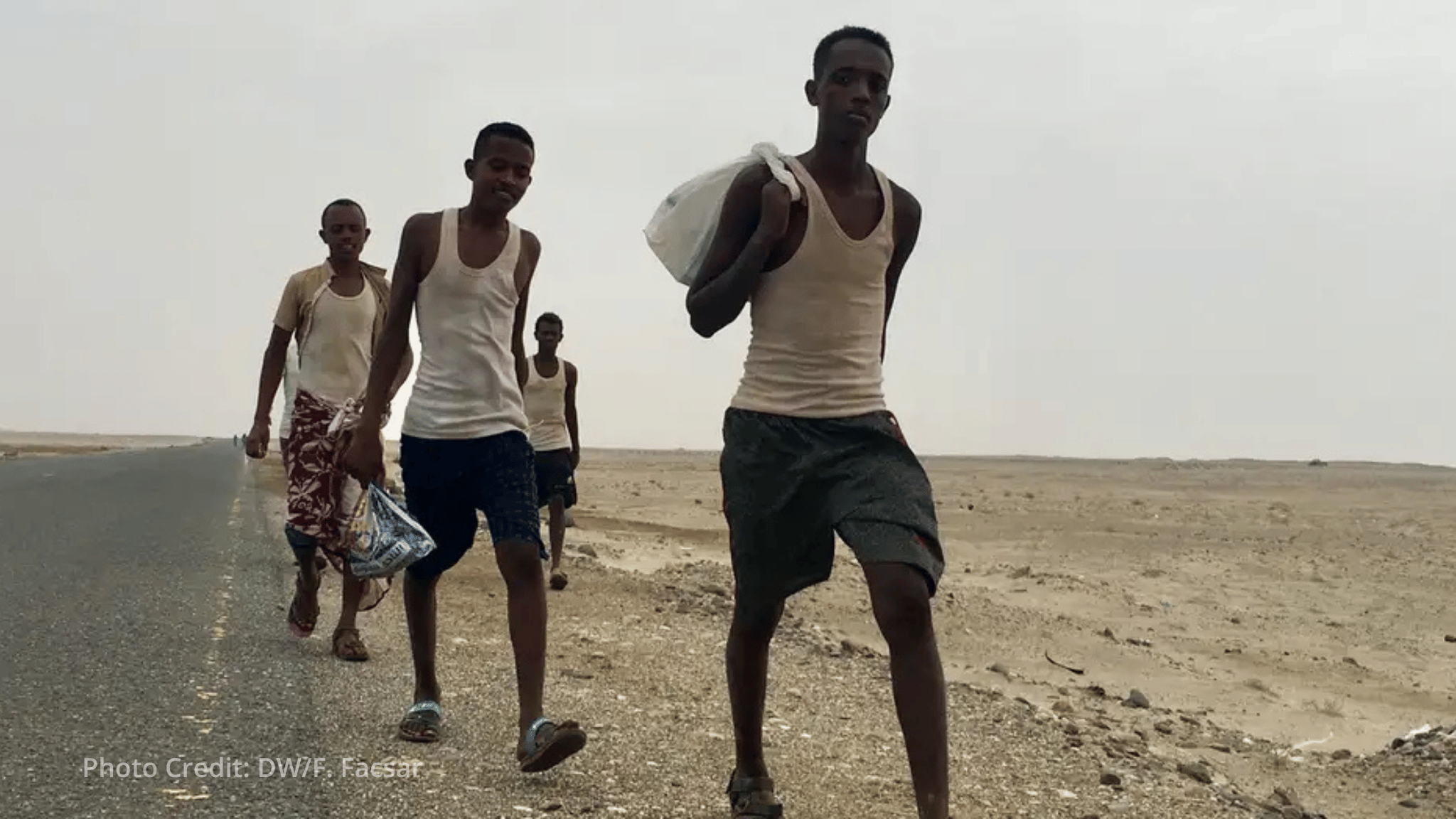
Displacement now spans 10 governorates, with Ta’iz the hardest hit at 114,708 displaced people, or 57 percent of the total. Lahj follows with 42,264, Aden with 20,814, Abyan with 9,030 and Al Hodeidah with 8,244. Smaller numbers were recorded in Hadramawt (2,478), Shabwah (1,188), Ma’rib (1,080), Al Maharah (936) and Ad Dali’ (475). Three districts account for three in four of those recorded in Ta’iz: Al Ma’afer, Jabal Habashi and Ash Shamayatayn. More than 3,700 people have also fled by sea to Djibouti, arriving exhausted in overcrowded boats, most of them women and children.
Families cite shelter as the most urgent need at 35 percent, followed by food at 33 percent, cash support at 22 percent and protection at one in ten. Yemen’s humanitarian response plan is only 20 percent funded, and relief stocks are running low.
“Every day our teams meet families who have lost everything,” said IOM Director General Amy Pope. “We know what they need. We know how to deliver it. What we lack is the means to reach them all.”
IOM teams are working with local authorities and partners to provide emergency shelter, essential household items, cash, clean water and protection services. In Djibouti, IOM is helping people as they come ashore. The organization is calling on the international community for immediate funding and urging all parties to protect civilians and aid workers and allow safe, unhindered access. Displacement is expected to keep rising in the coming days. IOM has pledged to continue tracking movements and sharing verified data, with a detailed breakdown to follow.