
Add us as your preferred source on Google to see more of our content in Search.
 Add to Preferred Sources
The World Health Organization (WHO) is assisting Nigeria after the country confirmed its first case of Ebola Bundibugyo virus disease, according to UN News. The patient is a woman who recently travelled from Uganda and began showing symptoms on 7 October, four days after her arrival. She sought care at a private health facility in Abuja on 11 October, and laboratory testing confirmed the diagnosis on 20 October. She remains in isolation and is receiving medical care. Investigations are continuing to determine the likely source of her infection and reconstruct her full travel and exposure history.
Nigeria is the fifth country to detect Ebola Bundibugyo virus disease since an outbreak was declared in the Democratic Republic of the Congo (DRC) in mid-May. The DRC outbreak is the deadliest in the country’s history. More than 9,500 cases and more than 4,200 deaths were recorded as of 18 October, according to latest data from the Congolese health authorities. There is currently no vaccine to treat the virus. Uganda also faced a deadly outbreak, which was officially declared over in late August.
Beyond the DRC and Uganda, nine cases have been reported in Kenya and one in the Netherlands, both linked to the DRC. Nigerian health authorities have so far identified 44 contacts who are being monitored amid intensified efforts to find other people who may have been exposed. Infection prevention and control measures are being ramped up in the private health facility where the woman sought care. The Nigeria Centre for Disease Control and Prevention has activated its incident management system to coordinate response efforts, WHO said. The agency is also assisting with the provision of essential supplies, including personal protective equipment for health workers.
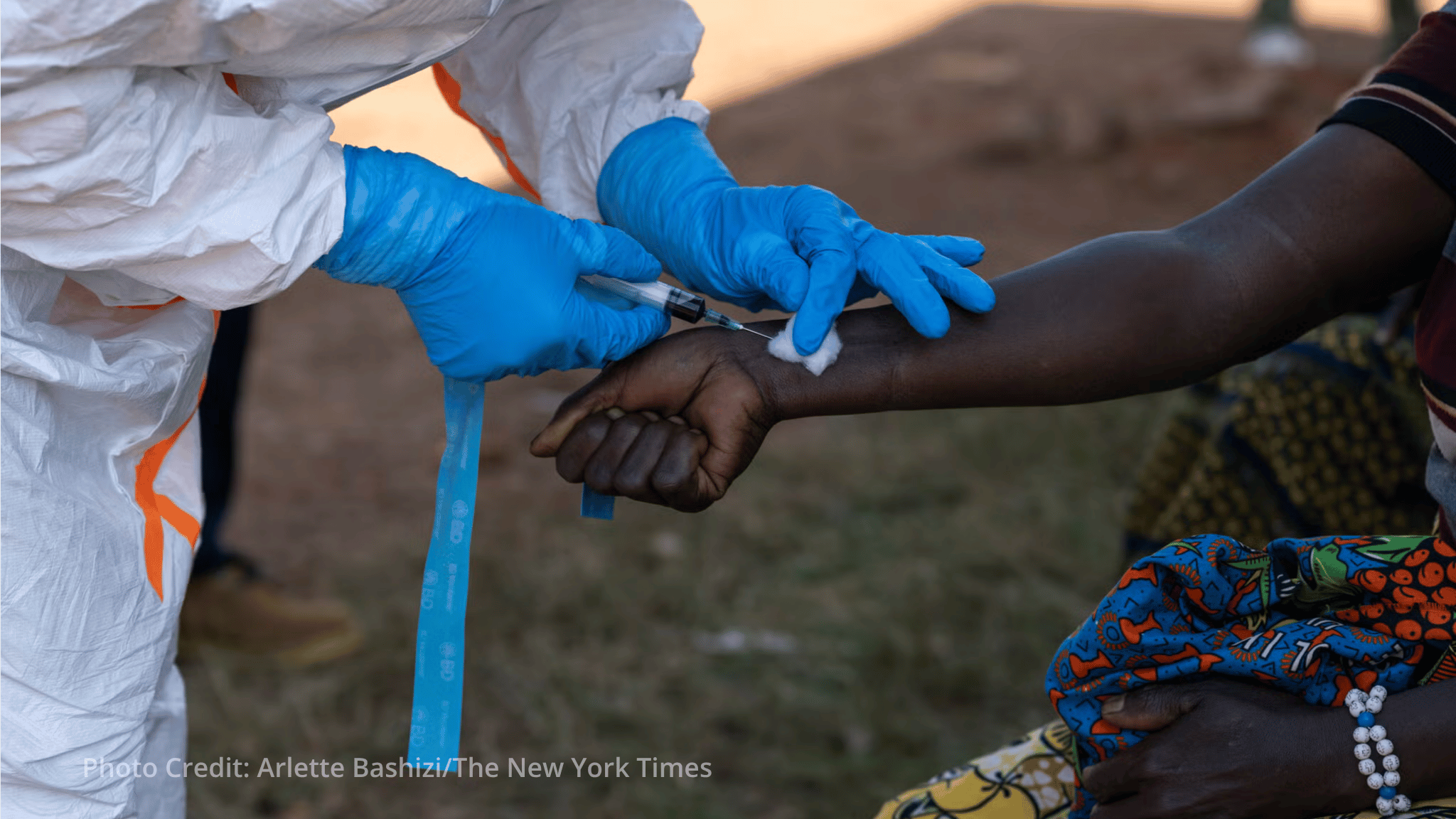
WHO stressed that rapid identification of cases, timely follow-up of contacts and effective infection prevention and control are critical to contain the spread of the virus. The agency and its partners are working closely with the Nigerian health authorities to strengthen control measures, including case investigation, contact tracing, and infection prevention and control. As countries in the African Region work to detect and respond to Bundibugyo virus disease (BVD), the WHO African Region noted that “knowing the facts is essential.” BVD is a severe and often fatal form of Ebola disease caused by the Bundibugyo virus. WHO has not recommended any restrictions regarding travel and trade with affected countries.
WHO has advised all countries in the region to sustain a high level of readiness as the DRC outbreak continues to evolve. Governments are also advised to maintain strong disease surveillance and ensure that laboratories can safely test suspected cases, among other measures. Nigerian authorities continue to trace contacts and reinforce infection prevention efforts at the affected facility. WHO and partners remain engaged in supporting the national response. The agency’s assistance is ongoing as the situation develops.