
Add us as your preferred source on Google to see more of our content in Search.
 Add to Preferred Sources
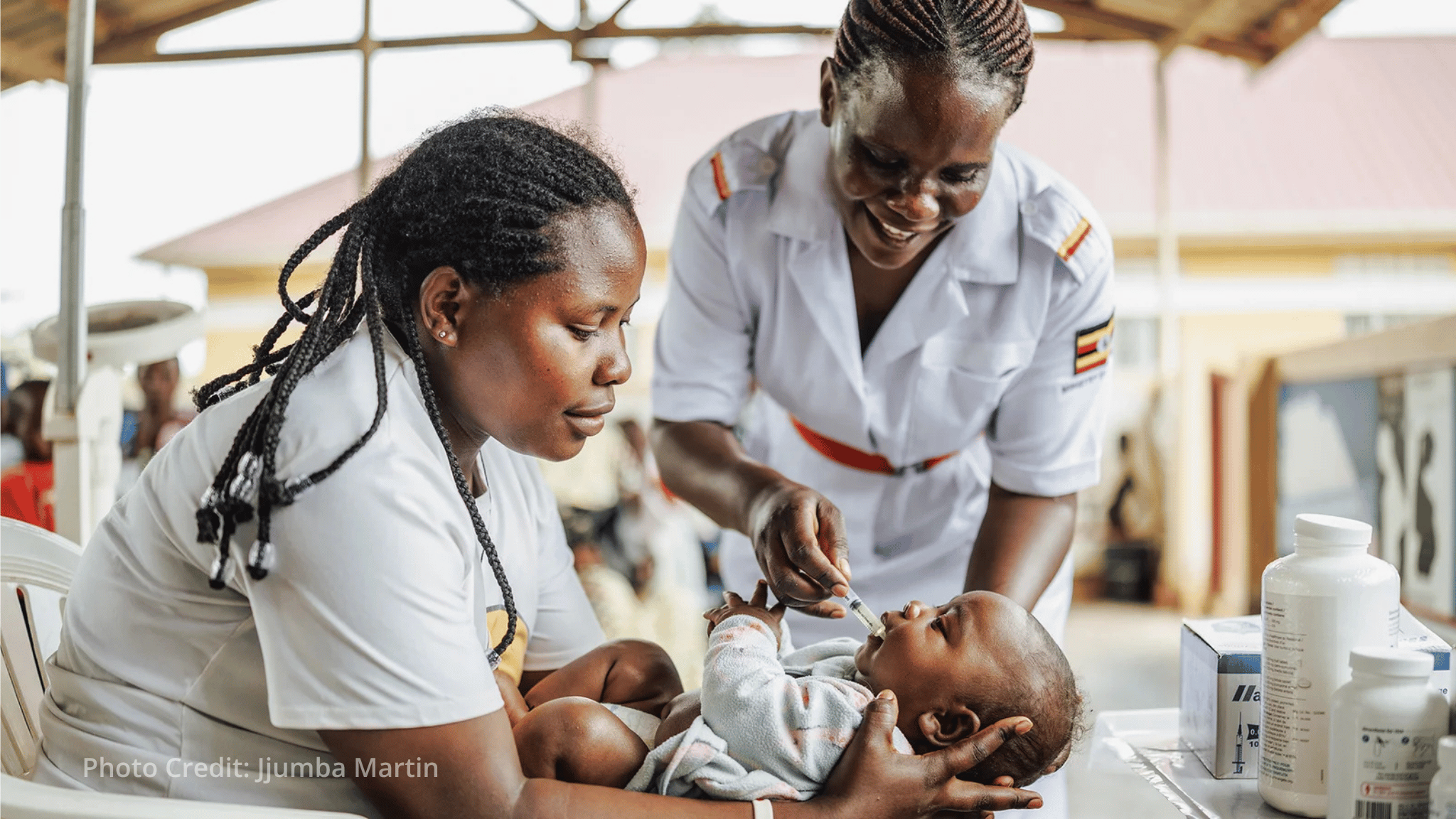
Gavi, the Vaccine Alliance and United Nations Children’s Fund (UNICEF) announced on October 22, 2026 a new agreement that will reduce the price of the RTS,S/AS01 malaria vaccine by approximately 40 percent, according to a press release. Executed by UNICEF and financially backed by Gavi, the deal is expected to generate around US$ 50 million in savings between 2027 and 2029. The arrangement was enabled through an advance payment by the International Finance Facility for Immunisation (IFFIm). The new price will stand at EUR 5.50 per dose, with the reduction expected to take effect by early 2027. The savings could help protect up to one million more children with the full four-dose course or extend coverage of other vaccines.
The agreement is subject to regulatory and manufacturing milestones, including WHO prequalification of a new manufacturing facility that will enable greater supply capacity, which must be met before UNICEF begins procuring doses. The lower price builds on the product transfer of the vaccine’s production to a developing country vaccine manufacturer. It reflects sustained efforts to shape a more sustainable and competitive malaria vaccine market. A healthy market, with multiple vaccine options, sufficient manufacturing capacity, and reliable supply, is considered critical to long-term access. Demand for the vaccine has continued to grow since the rollout began.
Demand for malaria vaccines has exceeded initial forecasts since rollout began in 2024, with more than 74 million doses procured and delivered by UNICEF to date. The Gavi-funded malaria program is now part of routine immunization in 25 African countries that bear more than 70 percent of the global malaria burden. One child dies from malaria every minute, equating to nearly half a million deaths each year. In 2024, there were an estimated 282 million malaria cases and 610,000 deaths globally, with up to 95 percent of both in Africa. Around 74 percent of the deaths occurred among children under five.
A full immunization course of four doses reduces malaria cases by about 75 percent when given seasonally in areas of high seasonal transmission. The Alliance has set a target to vaccinate 50 million more children against malaria by 2030.
“This agreement is an important step towards protecting more children from malaria by expanding access to life-saving vaccines where they are needed most,” said Leila Pakkala, Director of UNICEF Supply Division.
She added that the deal sends a strong signal in support of continued innovation. Georgina Baker, IFFIm Board chair, noted that the transaction demonstrates the continued relevance of IFFIm’s model as it marks twenty years of helping expand access to life-saving vaccines.
An Vermeersch, Gavi’s Chief Vaccine Programmes & Markets Officer, described the announcement as a powerful example of bringing together financing, technical expertise and strategic partnerships to shape healthier vaccine markets. WHO has prequalified two malaria vaccines to date: RTS,S/AS01, developed by GSK, PATH and partners and now being transferred from GSK to Bharat Biotech, and R21/Matrix-M™, co-developed by the University of Oxford and Serum Institute of India. Both vaccines are recommended by WHO to prevent malaria in children. Vaccines are one of several malaria interventions, alongside insecticide-treated nets, spatial emanators, repellents, chemoprevention, and prompt diagnosis and treatment. At a time of unprecedented decline in funding for international aid, efforts to create affordable and sustainable supply remain critical to meeting the Alliance’s goals.