
Add us as your preferred source on Google to see more of our content in Search.
 Add to Preferred Sources
The World Meteorological Organization (WMO) has released a new Global Seasonal Climate Update warning that the current El Niño event could reach unprecedented intensity, with far-reaching consequences for weather patterns worldwide. The forecast was published to help governments and humanitarian organizations anticipate climate risks and prepare response operations, according to a press release. Sea surface temperatures in the tropical Pacific, the epicenter of El Niño, may rise to 3.8°C above average between November 2026 and January 2027. WMO declares an El Niño when the sea surface temperature anomaly in this region reaches 0.5°C. The agency stressed that the outlook is designed to inform humanitarian action rather than predict individual weather events.
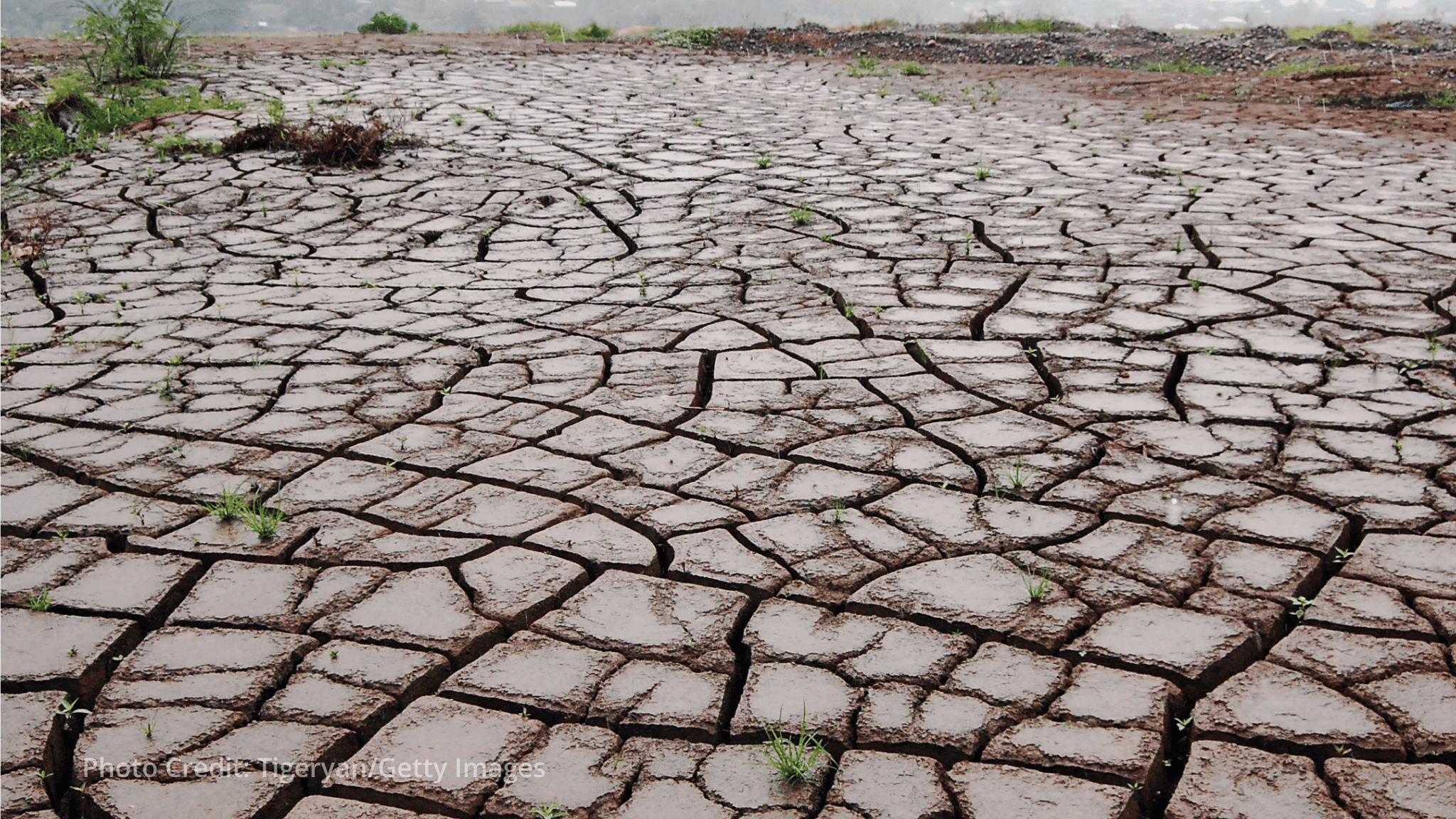
El Niño disrupts normal temperature and rainfall patterns across many regions, bringing severe drought to some areas and heavy rainfall and flooding to others. It also drives increased heat across large parts of the world. WMO reports that extreme weather events are already occurring and are expected to multiply and cascade as the phenomenon intensifies. The outlook was presented at a joint press conference with Tom Fletcher, UN Under-Secretary-General for Humanitarian Affairs and Emergency Relief Coordinator. The event is projected to peak toward the end of 2026, with impacts persisting well beyond that period.
The seasonal outlook identifies region-specific risks:
- East Africa: Wetter-than-normal conditions are more likely during the October–December rainy season, raising concerns about heavy rainfall and flooding.
- Southern Africa: Drier conditions could affect crop production, water availability, and livelihoods from November.
- Southeast Asia: Warmer conditions and rainfall deficits increase heat exposure and pressure on agriculture, including wildfire and smoke-haze risks.
- The Americas: Increased rainfall is expected in the Northwest US, southern parts of western South America, and the northern Caribbean, while drought risk rises in parts of Central America, the southern Caribbean, and the Amazon.
WMO Secretary-General Celeste Saulo underscored the exceptional nature of the event and the urgency of coordinated action.
“This is literally off the monitoring charts that we have used for the past four decades. El Niño will peak towards the end of 2026 but its impacts will be felt long after that,” she said.
She added that preparedness tools are already available to limit the humanitarian toll.
“But a powerful El Niño does not have to be a recipe for humanitarian disaster. We have the science, the forecasts and the early warning systems to save lives and protect livelihoods. What we need now is decisive action, especially to protect the most vulnerable communities,” Saulo stated.
WMO emphasized that the window for preparedness remains open in many regions but will not stay open indefinitely. Extreme weather conditions do not need to translate into humanitarian emergencies or casualties if timely measures are taken. The organization’s priority is to deliver science-based information that supports governments and humanitarian agencies in anticipating risks and protecting vulnerable populations. Regional and national forecasts remain essential to determine where and when action is needed. Regional Seasonal Climate Outlook Forums are also issuing targeted forecasts for South Asia, the Southwest Indian Ocean, and the Greater Horn of Africa.