
Add us as your preferred source on Google to see more of our content in Search.
 Add to Preferred Sources
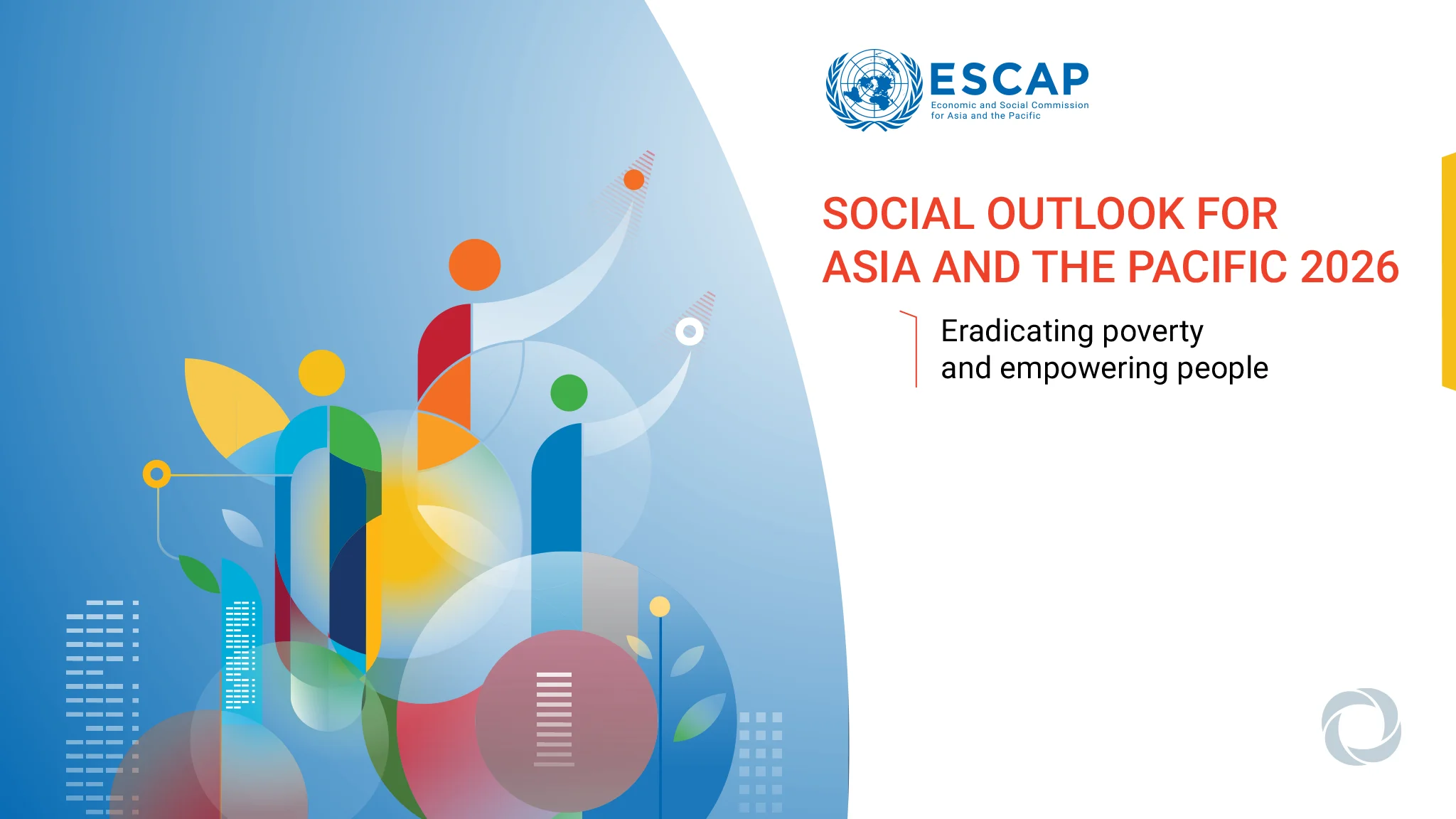
More than 1 billion people in Asia and the Pacific continue to live in poverty, and countries meeting this week at the United Nations in Bangkok will discuss innovative approaches to tackle its multiple forms, according to a press release by the Economic and Social Commission for Asia and the Pacific (ESCAP). The newly released Social Outlook for Asia and the Pacific 2026: Eradicating Poverty and Empowering People was launched on 11 November 2026 in Bangkok. The report highlights that poverty extends beyond income to include deprivations in education, health, nutrition, housing, and essential services. It frames poverty as a multidimensional challenge requiring broader policy responses. Innovative solutions are available, but urgent action is required to reach those still left behind.
Over the past three decades, the region has achieved significant progress in reducing the number of poor people. Governments across Asia and the Pacific have enacted various social schemes to help people escape poverty. These measures have also aimed to improve well-being and strengthen resilience against economic uncertainties. Despite these gains, deprivation remains widespread. The report provides updated evidence on how poverty is evolving in the region.
According to the report, more than 1.1 billion people lived in poverty across the region in 2026. Among them, 310 million live in extreme poverty. An additional 1.2 billion people are not poor but vulnerable to falling back into poverty. These figures underscore the scale of the challenge faced by policymakers. They also highlight the need to look beyond income when measuring people’s well-being.
“The nature of poverty and vulnerability is evolving as climate change, demographic change, digital transformation and recurring economic shocks reshape who is poor, how people experience deprivation and their exposure to future risks,” said Armida Salsiah Alisjahbana, United Nations Under-Secretary-General and Executive Secretary of ESCAP.
Effective government measures cited include universal health coverage and targeted policies to create jobs for persons with disabilities. Stronger public-private partnerships, job training on renewable energy sources, and parental education were also noted. Improved maternal nutrition and enhanced newborn healthcare are among steps to reduce child stunting. Countries increasingly view care systems and inclusive social protection as strategic investments.
The report was launched on the opening day of the ninth session of the Committee on Social Development in Bangkok. Ministers, senior policymakers, and civil society representatives are exploring policy options to eradicate poverty and expand social protection. The Committee will also review progress on the Madrid International Plan of Action on Ageing and the Action Plan to Strengthen Regional Cooperation on Social Protection. It will further consider the Jakarta Declaration on the Asian and Pacific Decade of Persons with Disabilities (2023–2032). “The region is well positioned to lead this transformation,” Alisjahbana said.