
Add us as your preferred source on Google to see more of our content in Search.
 Add to Preferred Sources
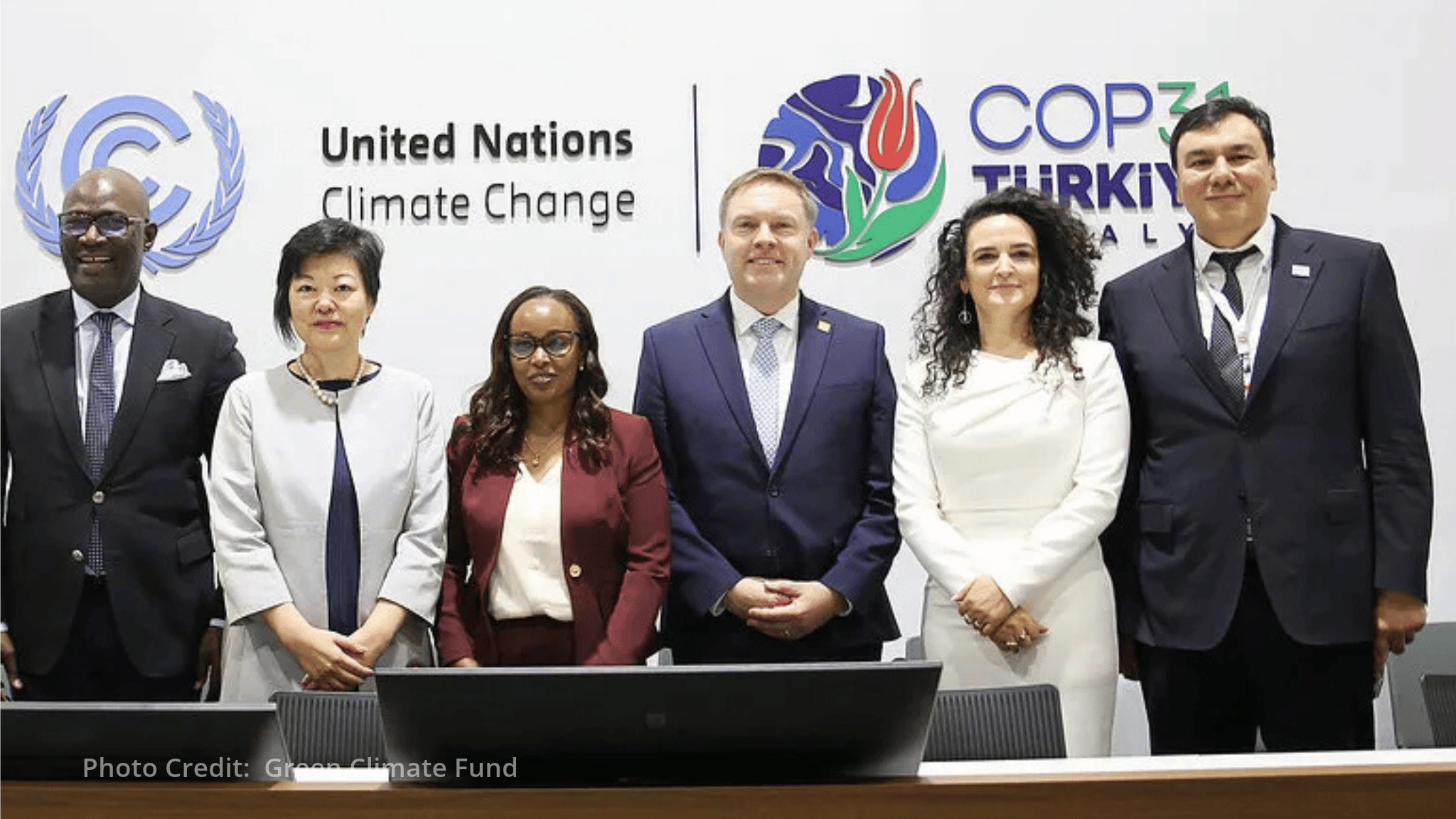
At COP31, multilateral climate funds and developing countries discussed how closer collaboration can make climate finance simpler to access, more coherent, and more responsive to the priorities of developing nations, according to a press release by the Green Climate Fund (GCF). The conversation took place during a side event on 10 November 2026 titled Multilateral Climate Funds: Working together for enhanced access and greater impact. The dialogue brought together country representatives and leaders from several major climate finance institutions. It focused on strengthening complementarity across the climate finance architecture. The gathering aimed to align efforts and reduce fragmentation in climate finance delivery.
Participants included leaders from the Adaptation Fund, Climate Investment Funds (CIF), Fund for responding to Loss and Damage (FRLD), Global Environment Facility (GEF), and Green Climate Fund (GCF). These institutions represent key pillars of the multilateral climate finance system. Each fund plays a distinct role in supporting developing countries. The side event was convened as part of COP31 proceedings. It provided a platform for joint reflection among the funds and recipient nations.
The discussion centered on more harmonized approaches to measuring results, country-led strategic programming, and new partnerships and arrangements across funds. Representatives examined how coordination could deliver greater impact on the ground. They explored mechanisms to streamline procedures for countries seeking climate finance. Topics included mitigation, adaptation, and loss and damage. The exchange reflected a growing push for coherence in the global climate finance landscape.
GCF Executive Director Mafalda Duarte underscored the catalytic role of multilateral climate funds in mobilizing finance at scale and delivering climate impact. Country representatives called for faster and simpler access to finance. They also emphasized stronger alignment with national priorities. Greater coordination across mitigation, adaptation, and loss and damage was another key request. These calls reflected persistent concerns about accessibility and relevance of climate finance.
The event highlighted shared commitments among the funds to work more closely together in support of developing countries. It reinforced the importance of harmonization and country ownership in climate finance delivery. The full event summary is available through the IISD Earth Negotiations Bulletin. The discussion marks another step in ongoing efforts to improve the global climate finance architecture. It signals continued momentum for collaboration among multilateral climate funds.