
Add us as your preferred source on Google to see more of our content in Search.
 Add to Preferred Sources
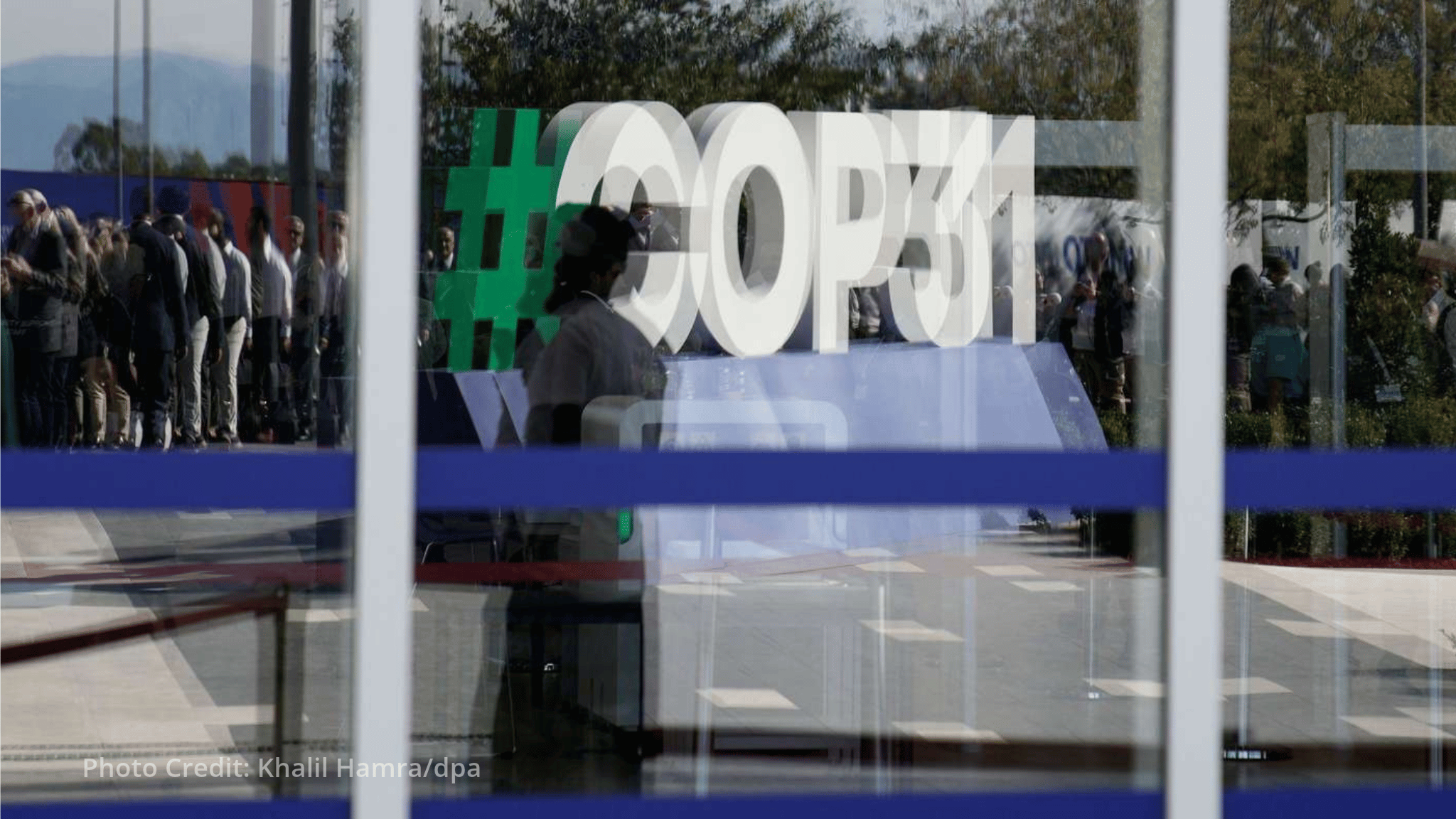
At COP31 in Antalya, Türkiye, the World Bank Group and its partners presented a package of investments and projects expected to mobilize an additional $10.7 billion in private capital, alongside more than $6.9 billion in investment to support client-led development priorities, create jobs, and strengthen resilience, according to a press release issued on November 17, 2026. The investments span agriculture, manufacturing, urban infrastructure, renewable energy, and more. Together, they are intended to demonstrate how climate-smart development can support the foundations of growth and jobs. Reliable electricity enables businesses to grow, while better agriculture raises productivity and incomes. Resilient infrastructure protects investments, connects people to markets, and allows economic activity to continue when shocks occur.
The announcements build on growing World Bank Group financing and private capital mobilization for climate-related investments. In fiscal year 2026, the Group provided $48 billion in financing with climate co-benefits. It also mobilized a further $48 billion in private capital during the same period. The combined $96 billion is 21 percent higher than in the previous year. The new projects extend this trajectory across multiple sectors and regions.
In Türkiye, a World Bank Group operation will expand farmers’ access to finance and markets and strengthen agricultural value chains, benefiting 225,000 farmers and supporting more than 100,000 job equivalents. The operation advances the Group’s AgriConnect approach, which aims to reach 300 million smallholder farmers. A separate program will give Turkish manufacturers, including small and medium-sized enterprises, long-term financing to adopt greener and more digital technologies, supporting over 100,000 job equivalents. In Afghanistan, IFC is backing an organic fertilizer facility that would convert agricultural waste into locally produced inputs. The project aims to improve soil health and farm productivity and to create local jobs in a fragile market.
In Timor-Leste, IFC financing, IDA-PSW, and a MIGA guarantee are supporting a new solar power plant with battery storage, expected to deliver estimated annual savings of around 1.5 percent to 2.0 percent of the country’s GDP. A coordinated World Bank Group initiative in Türkiye will finance water, sanitation, and urban transport infrastructure, giving 1.65 million people safely managed water and sanitation. It will improve sustainable transport for nearly 1.5 million people and strengthen climate-resilient infrastructure benefiting more than 3 million people. The initiative is part of Water Forward, a multistakeholder coalition that aims to advance water security for over 1 billion people by 2030. Several sustainable finance loans to Turkish banks will direct capital to social inclusion, the blue economy, climate adaptation, and Türkiye’s low-carbon transition.
A new blended finance-supported fund will help textile, apparel, and footwear manufacturers – largely SMEs in emerging markets – invest in cleaner, more competitive production. It combines IFC financing, concessional funds from the Global Environment Facility, and technical assistance and investment from global brands to support energy efficiency, renewable energy, water savings, circularity, and reduced industrial pollution. By bringing together suppliers, finance, and global buyers, the initiative aims to unlock investments that have been difficult to finance. It also seeks to help manufacturers remain competitive as global supply chains shift toward more sustainable production. Together, the measures position jobs at the center of the World Bank Group’s climate investment agenda at COP31.