

Add us as your preferred source on Google to see more of our content in Search.
 Add to Preferred Sources
Floods reached roof level and cut off access to many rural Sri Lankan villages, disrupting life for 557,500 people, many of them workers on rubber plantations, officials said. Nearly 75,000 people had been forced out of their homes.
Villagers in Agalawatte, in a key rubber-growing area 74 km (46 miles) southeast of the capital, Colombo, said they were losing hope of water levels falling soon after the heaviest rain since 2003. Fifty-three villagers died and 58 were missing.
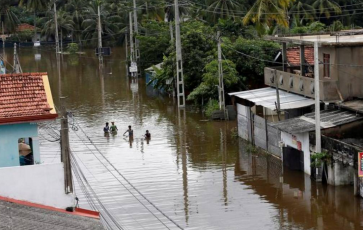
Some areas in the southern coastal district of Galle, popular with foreign tourists, have not received relief due to lack of access.
The Sri Lankan military has sent in helicopters and boats in rescue efforts in the most widespread disaster since the 2004 Boxing Day tsunami. About 100 people were missing in total.
The meteorology department forecast torrential rains over the next 36 hours. Residents in seven densely populated districts in the south and centre of Sri Lanka were asked to move away from unstable slopes in case of further landslides. The wettest time of the year in Sri Lanka’s south is usually during the southern monsoon, from May to September. The island also receives heavy rains in the North West monsoonal season from November to February.
Sri Lanka has already appealed for international assistance from the United Nations and neighbouring countries.
Source: Reuters. Read full article here.
29 May, 2017