
Add us as your preferred source on Google to see more of our content in Search.
 Add to Preferred Sources
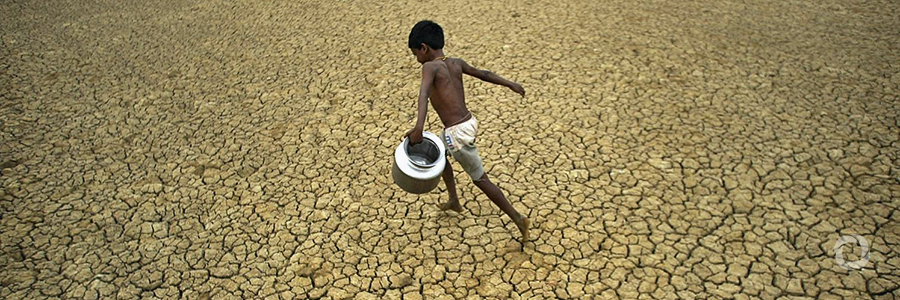
Food security in Kenya has deteriorated significantly since the end of 2016. According to UNICEF, nearly 110,000 children under-five need treatment, up from 75,300 in August 2016. Waterholes and rivers have dried up, leading to widespread crop failure and livestock depletion.
Malnutrition is widespread among children. In the hardest-hit counties of Turkana, Marsabit and Mandera, a third of children under five are acutely malnourished – double the emergency threshold. High malnutrition, when combined with an outbreak of cholera or measles, can lead to a surge in deaths among children and other vulnerable groups.
Underfunded response
We must urgently respond to this malnutrition crisis through treatment and prevention. Blanket supplementary feeding for young children and pregnant and lactating women can avert a catastrophic spike in mortality in the months ahead.
By the time the Government had declared drought a national disaster, over 2.6 million Kenyans were in urgent need of food aid. This figure will increase unless an appeal for US$ 166 million to support the most vulnerable is met; less than a third of that amount is available so far.
Don’t be fooled by the news of floods in recent weeks, this has done nothing to alleviate drought-induced malnutrition among children. Flooding is an indicator of poor infiltration resulting from lack of vegetation and soil degradation. This means that much water is flowing off the soil and too little is seeping in. We will face drought again before the onset of the short rains later this year.
Sustainable, not piecemeal
The vast majority of smallholders in sub-Saharan Africa are dependent on rain-fed agriculture for their livelihoods and are subject to the vagaries of the weather. We must build the resilience of these communities and invest in agriculture and rural infrastructure. This includes, turning away from dependency on rain-fed agriculture towards large-scale water harvesting and innovative irrigation systems.
Due to traditional farming practices, crop yields on the continent have about one-tenth the average productivity of Western farms. Sub-Saharan Africa is the only region where per capita food production is sadly falling. Areas in Somalia and coastal Kenya affected by the current drought have registered crop failure of 70 to 100 percent.
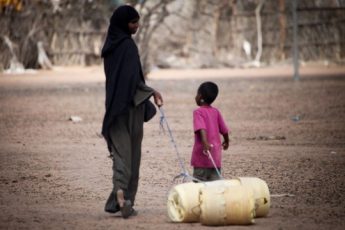
In richer countries, drought-resistant crop varieties have been developed to cope with water scarcity and other climate-induced shocks, including varieties of maize, cowpea and sorghum. A major hindrance to their adoption in East Africa is the weak legislative framework for registration and the lack of appropriate technologies.
UNDP has created capacities for food production in Turkana County, slowly building community resilience and food security through irrigation. This has the potential to reduce dependence on rain fed agriculture and create practical models for scaling up.
With advances in mobile technology, smallholders now have better tools to forecast impending crises. The Kenyan Government should work closely with communities to build resilience and put in place mitigation measures before the onset of large-scale crises. County governments, created mainly to bring services closer to citizens, are particularly suited to mapping out priorities and matching them with viable solutions.
Piecemeal responses to climate-related emergencies can no longer suffice. We need sustainable solutions to effectively tackle drought and its devastating impacts on Kenya’s most vulnerable communities, particularly women and children.
Source: WHO. Read full article.
30 May, 2017