
Add us as your preferred source on Google to see more of our content in Search.
 Add to Preferred Sources
The United Nations General Assembly on Thursday gave the green light to a bold new plan to make sustainable development a reality, described by UN chief António Guterres as “the most ambitious and comprehensive transformation of the UN development system in decades.”
The UN Secretary-General said the reform package paved the way for a new era of “national ownership” of development, supported by the whole UN system, in a tailored fashion, allowing countries to pursue sustainable economic and social development.
“It sets the foundations to reposition sustainable development at the heart of the United Nations,” he said, after the 193-member intergovernmental body adopted the reform resolution by consensus.
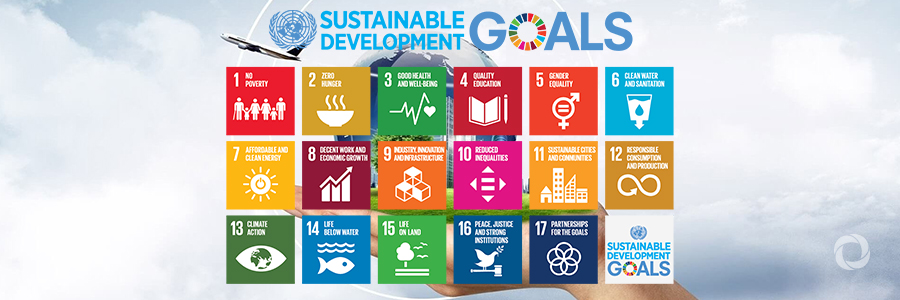
“And it gives practical meaning to our collective promise to advance the Sustainable Development Goals (SDGs) for everyone, everywhere – with poverty eradication as its first goal, leaving no one behind,” he explained. “In the end, reform is about putting in place the mechanisms to make a real difference in the lives of people.”
The reform process will mean significant changes to the setup, leadership, accountability mechanisms and capacities of the whole UN development system; ensuring it meets national needs not only for implementing the SDGs, but also in meeting the climate change commitments made through the 2015 Paris Agreement.
Otherwise known as the Global Goals, the SDGs are a universal call to action, to end poverty and hunger; to protect the planet and ensure that all people enjoy peace and prosperity.
More specifically, the reform gives Resident Coordinators – the most senior UN development officials at the country level – a dedicated, independent role in coordinating the activities of all the various UN entities working locally, which make up UN Country Teams.
Mr. Guterres noted that being a Resident Coordinator is “one of the most challenging jobs” at the UN, and the 129 Resident Coordinators covering 165 countries are working hard “in some cases against all odds.”
Speaking before the adoption of the landmark reform, General Assembly President Miroslav Lajčák, said that “this resolution, today, is not seen by everyone, as the perfect document.”
“But it is a legitimate outcome of a multilateral process. It shows what we are capable of,” he added.
The UN Secretariat said that the reform implementation will require some $255 million annually.
“The reform establishes clear accountability for the money spent, and highlighted the importance of partnerships among stakeholders, including Member States and the private sector,” UN Deputy Secretary-General Amina Mohammed said.
“The assets of the United Nations are its people. We will invest in them. We will try to lead them, inspire them, incentivize them, and create the environments to make them go for gold,” she said.
Original source: UN
Published on 31 May 2018