
Add us as your preferred source on Google to see more of our content in Search.
 Add to Preferred Sources
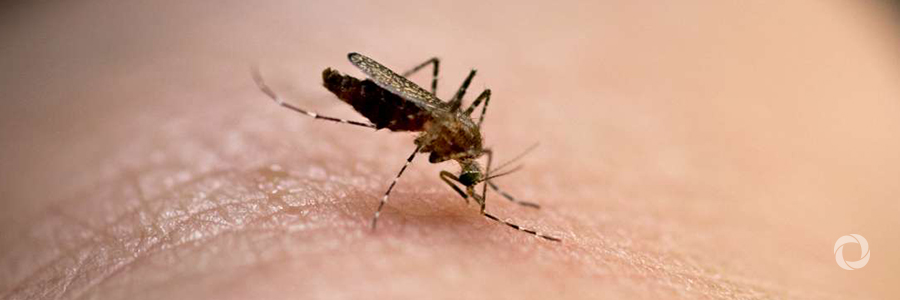
A loan supported by the InnovFin-EU finance for innovators initiative under the EU’s Horizon 2020 programme and extended by the European Investment Bank is helping France-based biotech company Valneva develop a Zika vaccine that is safe during pregnancy. This could protect unborn babies from birth defects linked to the mosquito-borne virus.
Until recently, the Zika virus was not a priority since it affected relatively few people and the cost of creating a vaccine was estimated at EUR 149-468 million. But the spread of Zika in the Americas and discovery of a link with reduced head size and brain damage in babies of women infected while pregnant changed that.
One challenge is to ensure that any vaccine – which would typically include an agent similar to the virus – doesn’t harm fetuses. Valneva is making a vaccine with a disease-causing agent that has been killed but nonetheless stimulates the immune system to protect against the virus. So even if the agent crosses the placenta, it doesn’t infect the baby.
Valneva’s work on Zika is based on a similar process to that which it followed to create its vaccine against Japanese encephalitis, a neurological disease responsible for up to around 20 000 deaths annually. As this vaccine is licensed in Europe and the USA, Valneva believes that approval for its Zika vaccine will be granted quickly.
The vaccine has “demonstrated excellent purity and overall had a biological, chemical and physical profile comparable to our commercially produced Japanese encephalitis vaccine,” says deputy chief executive Franck Grimaud.
The EU financing also supports the development of vaccines against clostridium difficile, an infectious diarrhea, and Lyme Borreliosis, a tick-borne illness commonly known as Lyme disease with some 500 000 cases a year in Europe and the USA, and against which there is currently no licensed vaccine.
Valneva spends about 20 % of revenue on R&D and a quarter of its 400 employees work in that field. Along with the Japanese encephalitis vaccine, this approach has led to the creation of a vaccine against enterotoxigenic escherichia coli, a type of E. coli, and cholera, which kills up to 120 000 people a year. Both prevent diseases for which there are no other approved products in Europe.
Original source: EC
Published on 13 June 2018