
Add us as your preferred source on Google to see more of our content in Search.
 Add to Preferred Sources
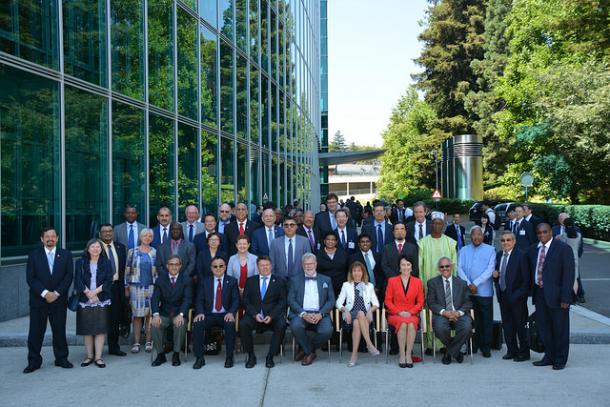
A new Strategic Plan to guide the future direction of the World Meteorological Organization has been approved by its Executive Council, aiming at a more integrated Earth system approach to meet the inter-connected challenges of the 21st century.
“By 2030, we see a world where all nations, especially the most vulnerable, are more resilient to the socioeconomic consequences of extreme weather, climate, water and other environmental events; and underpin their sustainable development through the best possible services, whether over land, at sea or in the air,” it says.
In addition to the long-term vision, it sets out long-term goals and strategic objectives with a specific focus for 2020-2023. These are in support of the international agenda on sustainable development, disaster risk reduction and climate change and the unprecedented demand for actionable, accessible and authoritative science-based information.
The strategic plan was driven by the need for an integrated approach to address increasing threats of extreme weather and climate, freshwater and ocean stress, air quality and environmental degradation. Science needs to be transformed into services to strengthen resilience, mitigation, and adaptation.
“High-impact weather, water, and climate extremes have devastating consequences for the safety of people, national economies, urban and rural environments, and food and water security. Extreme hydrometeorological events currently account for more than 80% of the world’s natural disasters,” it says.
These are expected to occur with greater frequency and intensity as greenhouse gas concentrations continue to rise. Sea level rise, also linked to climate change, will further increase the threat to more than half of the world’s population who are living in coastal regions.
Society’s exposure and vulnerabilities to these hazards will be exacerbated due to population growth, reaching more than 9 billion by 2050, further urbanization and growth of megacities worldwide, particularly in floodplains and coastal zones.
The strategic plan has three overarching priorities to meet the challenges:
- Enhancing preparedness and reducing losses of life and property from hydrometeorological extremes;
- Supporting climate-smart decision making to build resilience and adaptation to climate risk;
- Enhancing the socio-economic value of weather, climate, hydrological and related environmental services.
The World Meteorological Congress, the top decision-making authority, will approve the strategic plan at its quadrennial session in 2019.
Original source: WMO
Published on 3 July 2018