
Fragile countries risk being ‘stuck in a cycle of conflict and climate disaster,’ Security Council told

Add us as your preferred source on Google to see more of our content in Search.
 Add to Preferred Sources
Climate change and the shortages of water and food that come from it – is becoming increasingly linked to conflict, a senior United Nations official told the Security Council on 11 July, warning that countries most vulnerable to drought and crop failure are also most vulnerable to conflict and fragility.
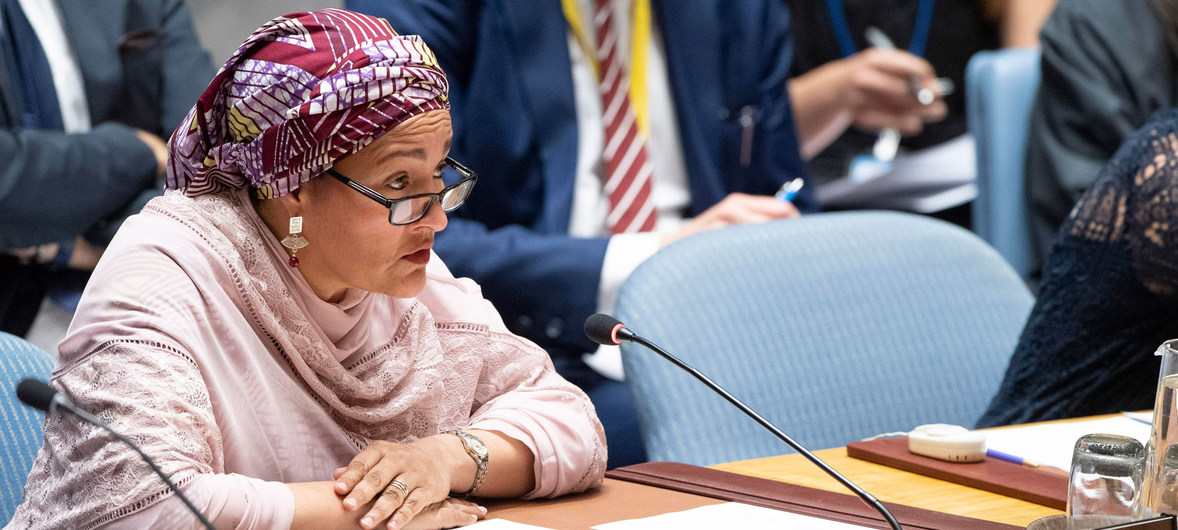
“Climate change is inextricably linked to some of the most pressing security challenges of our time,” said Deputy Secretary-General Amina Mohammed during a debate intended to deepen understanding of climate-related security risks.
“Fragile countries are in danger of becoming stuck in a cycle of conflict and climate disaster. Where resilience is eroded, communities may be displaced and exposed to exploitation,” she added.
Ms. Mohammed is just back from her trip to Africa’s Lake Chad Basin with Margot Wallström, Minister for Foreign Affairs of Sweden, which chaired today’s Council meeting.
The region is “experiencing a crisis brought on by a combination of political, socio-economic, humanitarian and environmental factors,” Ms. Mohammed explained.
Exacerbated competition over scant resources and the vicious cycle of risk and vulnerability have decreased the resilience of populations to cope with humanitarian crises. Declining economic activity and agricultural loss have led to a lack of employment opportunities across the region.
The resulting socio-economic marginalization, she said, has exposed populations, in particular, the young, to the risk of violent extremism and provided breeding ground for recruitment by groups such as Boko Haram.
The Deputy Secretary-General said that over the last 18 months, the Security Council has also recognized the adverse effects of climate change on stability in other geographical areas, including West Africa, the Sahel and the Horn of Africa.
The UN system is increasing climate-related security risk assessments and management strategies, she noted.
Ms. Mohammed also emphasized the importance of supporting programmes that place women and Youth at the heart of efforts.
“Desertification means women must travel larger distances to fetch water and food, forcing them to miss out on education and economic opportunities in the long term. Youth without jobs will take an alternate route to terrorism,” she said.
In conclusion, she warned that climate change is moving faster than responses, urging the Security Council to do its part to help humankind keep pace.
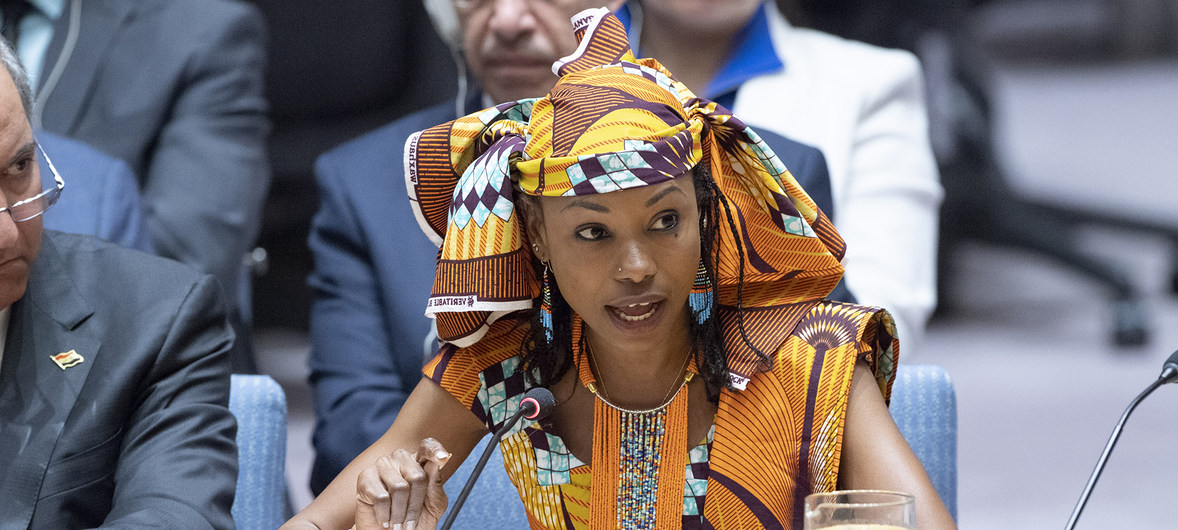
Hindou Ibrahim, International Indigenous People Forum on Climate Change, said that the Security Council must address climate change as a security risk.
She said that in the Sahel, where 90 percent of the economy relies on agriculture and pastoralism, a heat wave and drought has the potential to immediately hurt the economy and the people.
At the regional level, she added, climate change contributes to reinforcing terrorist groups as they take advantage of poverty to recruit the youngest and most fragile.
Original source: UN News
Published on 11 July 2018