
Add us as your preferred source on Google to see more of our content in Search.
 Add to Preferred Sources
Thousands of students in the Pacific Island of Tonga will be safer from natural disasters thanks to upgraded school buildings, supported by an additional US$14.95 million project approved today by the World Bank’s Board of Executive Directors. The funding will extend the Pacific Resilience Program’s support to the government of Tonga in delivering early warning systems, resilient investments, and financial protection against natural disasters.
Further, five more years of disaster risk financing insurance premiums will be paid for under the Pacific Catastrophe Risk Assessment and Finance Initiative (PCRAFI) disaster risk finance and insurance program, which rapidly paid out US$3.5 million in emergency funds to the government of Tonga, following severe Tropical Cyclone Gita.
“Additional funds for Tonga under the regional Pacific Resilience Program will deliver safer school buildings that will better withstand natural disaster impacts,” said Lasse Melgaard, Resident Representative for the South Pacific. “Tonga’s continued participation in the Pacific Catastrophe Risk Assessment and Finance Initiative for at least five more years will contribute to ensuring fast financial relief in times of disaster.”
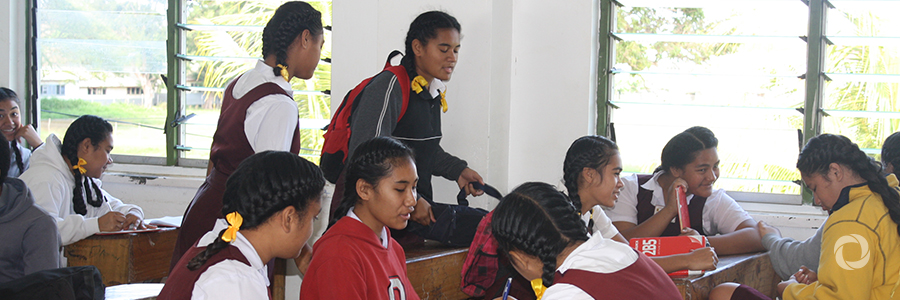
The new funding will enable the repair and reconstruction of buildings at 30 schools impacted by Gita, which struck Tonga in February 2018. New construction work will ensure approximately 9,000 students – almost 40 percent of all Tongan students – will be taught in buildings more resilient to cyclones and earthquakes, and with upgrades for disability access.
Supplemental funds for the Tonga component of the Pacific Resilience Program will be funded through a US$14.95 million grant from the International Development Association (IDA), the World Bank’s fund for the most in-need countries. The Australian Government Department of Foreign Affairs and Trade is providing an additional AU$3 million for the project.
Original source: World Bank
Published on 18 July 2018