
Add us as your preferred source on Google to see more of our content in Search.
 Add to Preferred Sources
A water irrigation and supply system funded by the African Development Bank has transformed the lives of rural farming communities in Cabo Verde’s Santiago Island, sparing farmers grueling treks of up to 20 kilometres to fetch water for farming and daily use.
Santiago Island, Cabo Verde’s largest and most important agricultural centre, depends on water for its survival, but for years had been beset by endemic water shortages. Traditionally women, who make up a significant percentage of farmers, were hardest hit by the shortfall in supply.
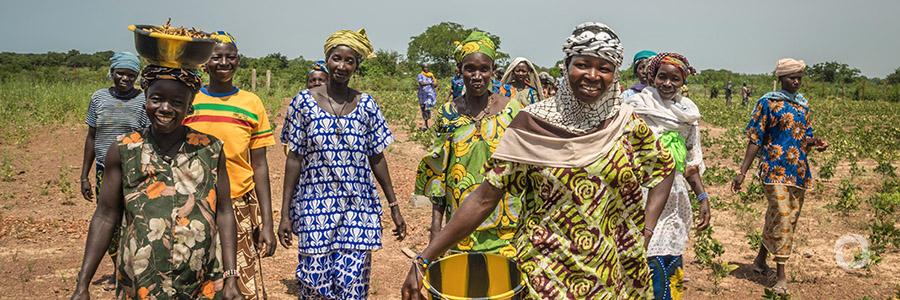
The Picos and Engenhos Watershed Management project, funded with a US$ 7.55 million loan from the African Development Bank has changed the situation. A steady flow of water has led to increased agricultural output for 17 new farming associations that have brought together almost 1,000 women smallholder farmers.
Fifty- year- old Amalia Lopes is a member of one of the women’s cooperatives which are showcasing the dramatic change to Cabo Verde’s agricultural landscape. Now Lopes looks forward to higher sales of beans and bananas from her newly irrigated fields. She can even afford to send her son to university in Praia, the capital of Cabo Verde.
Under the Picos and Engenhos Watershed Management project, irrigation systems, wells and reservoirs were constructed over a seven-year period. The Bank also helped organize and support vocational training. Courses in long-term agricultural produce, constructional and agricultural engineering, and livestock management or pasture improvement were organized. Most of the beneficiaries have been women.
Statistics back her optimism. Official figures show average salaries have risen to about US$ 1,900 a year. Lopes has even become a spokesperson for her women’s cooperative. She has appeared on TV and radio news and current affairs shows and achieved minor celebrity status in her district when she became one of the first local women to visit Brazil, a country which shares a common linguistic background with Cabo Verde.
Herminia Minha is another example of the success of the project. She is one of many women who are able to sell their produce in local markets in Picos at competitive prices. Now Minha makes enough profit to afford higher education for her children – something that was unthinkable just a few years ago.
“Better irrigation means a greater variety of fruit and vegetables and water for homes,” Joana Lopes says, “I now grow potatoes, tomatoes, cabbages, beetroots, and Chinese cabbage. I sell a lot of lemons at the markets.”
Currently, Cabo Verde imports 70-75% of its food needs, but authorities are optimistic that the evolution in agricultural techniques and irrigation will rapidly narrow that figure.
The African Development Bank’s active portfolio in Cabo Verde stands at US$ 101,000,000, covering energy, transport, water and sanitation, social, agriculture, and governance.
Original source: AfDB
Published on 23 July 2018