

Add us as your preferred source on Google to see more of our content in Search.
 Add to Preferred Sources
When a big earthquake, flash flood or other sudden disaster hits, aid agencies spring into action with emergency responses and public appeals for donations. With droughts, it’s different.
If the rains don’t come, it can take months for the effects to be felt by poor rural families. Hunger kicks in only after crops fail, food stocks are exhausted and livestock start dying – but by then, help often comes too late to head off the worst.
The humanitarian world is still struggling to find a timely way to tackle “slow-onset” crises like droughts. But a UK-based coalition of 42 relief groups from five continents, aiming to make aid delivery more effective, thinks it might have an answer.
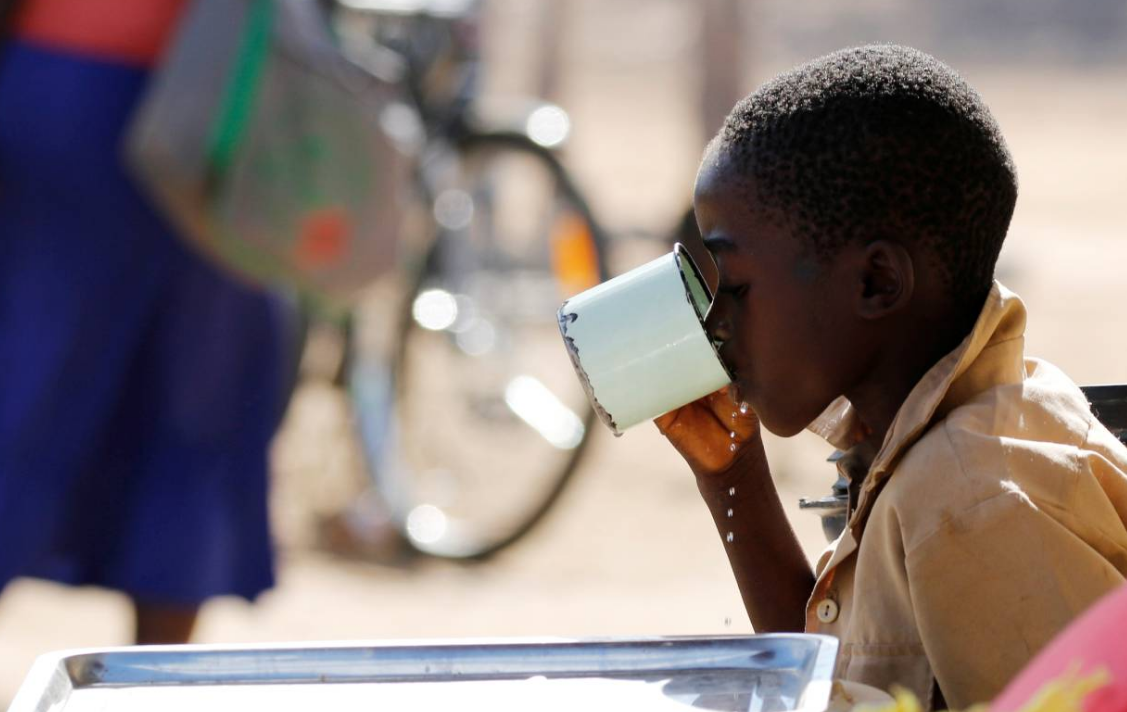
The Start Network, funded by the British, Dutch and Irish governments, is putting together a new financing facility to enable a faster and more coordinated response to droughts, and plans to test its model in Pakistan and Zimbabwe. In May, the network convened local and international agencies in Harare to discuss how it might work in the southern African nation still smarting from a devastating 2015-2016 drought, driven by the El Nino climate pattern, which left some 4 million people in need of food aid. A 2016 U.N.-led appeal for more than $350 million to respond to the drought was less than 50 percent covered by donors.
“We realised humanitarian responses were not kicking in fast. There was a long period of procrastination with some decisions having to be made far away, resulting in delays,” Emily Montier, manager of the drought project for the Start Network.
The “drought financing facility” aims to combine contingency funds, insurance and new modelling technology to shift humanitarian response from reaction to anticipation, she added. Many aid groups responding to drought had tried to access the Start Network’s existing fund for swift relief in small-scale crises, but it backs 45-day projects which is too short for drawn-out situations like droughts.
“Droughts were coming to that mechanism purely because there was nothing else out there,” Emily Montier, manager of the drought project for the Start Network.