
Add us as your preferred source on Google to see more of our content in Search.
 Add to Preferred Sources
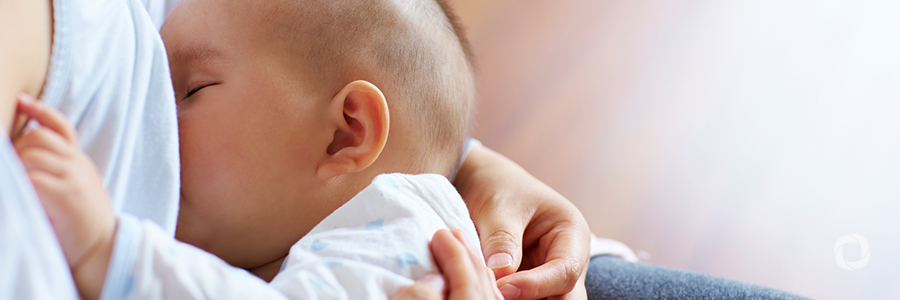
Three-in-five babies, mostly born in low- and middle-income countries, are not breastfed within the first hour of life, placing them at higher risk of death and disease, according to a new United Nations report launched on 30 July.
“When it comes to the start of breastfeeding, timing is everything,” said Henrietta Fore, the UN Children’s Fund’s (UNICEF) Executive Director, on the eve of World Breastfeeding Week.
In the report, Capture the Moment, UNICEF and the World Health Organization (WHO) note that while newborns who breastfeed in the first hour of life are significantly more likely to survive, they estimate that 78 million newborns are excluded.
“Each year, millions of newborns miss out on the benefits of early breastfeeding and the reasons – all too often – are things we can change,” she continued. “Mothers simply don’t receive enough support to breastfeed within those crucial minutes after birth, even from medical personnel at health facilities.”
World Breastfeeding Week is celebrated annually from 1 to 7 August to encourage breastfeeding and improve the health of babies around the world by providing infants with the nutrients they need.
According to the report, 65 percent of countries in Eastern and Southern Africa have the highest rate of breastfeeding within the first hour, while East Asia and the Pacific have the lowest rate with only 32 percent benefitting from the early initiation.
“Breastfeeding gives children the best possible start in life,” said Tedros Adhanom Ghebreyesus, WHO Director-General. “We must urgently scale up support to mothers – be it from family members, health care workers, employers, and governments, so they can give their children the start they deserve.”
The report urges governments and other decision-makers to adopt strong legal measures to restrict the marketing of infant formula and other breastmilk substitutes to help address the situation.
Download the report:Capture-the-moment-EIBF-report-July2018-web1
Original source: UN News
Published on 1 August 2018