
Add us as your preferred source on Google to see more of our content in Search.
 Add to Preferred Sources
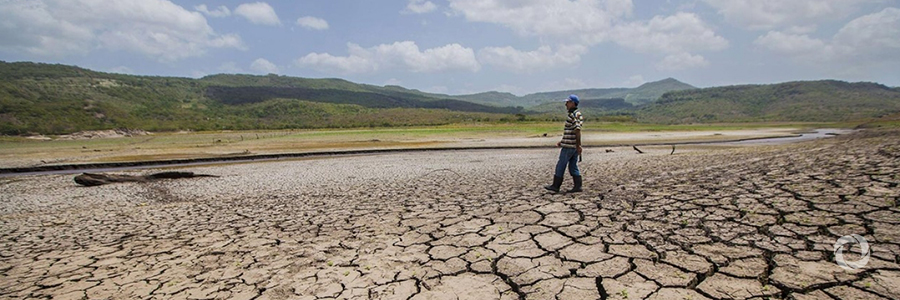
The Central American Bank for Economic Integration (CABEI) and the United Nations Environment Program (UNEP) agreed to join forces in the fight against the effects of climate change and to work on an adaptation project to increase the resilience of vulnerable populations in the Dry Corridor of Central America and the arid zones of the Dominican Republic.
The agreement was sponsored by the Ministers of Environment of the region, within the framework of the LXI ordinary meeting of the Council of Ministers of Environment of Central America, which is taking place to this day in Belize.
UN Environment Program and CABEI signed a Memorandum of Understanding that provides a framework for cooperation and facilitates collaboration between institutions in the fight against climate change, as well as in other areas of environmental interest.
Within the framework of this partnership, and under the guidance and leadership of the Council of Ministers of Environment of Central America, CABEI granted the UN Environment Protection Agency a non-reimbursable technical cooperation of US $985,587.00 to develop an ecosystem-based climate change adaptation proposal for the Dry Corridor of Central America and the arid zones of the Dominican Republic, with a focus on efficient water use. The project will be submitted to the Green Climate Fund, the funding mechanism of the United Nations Framework Convention on Climate Change.
Ecosystem-based adaptation is all about harnessing biodiversity and ecosystem services to reduce the vulnerability of communities and increase their capacity to adjust to extreme weather events. This approach includes interventions such as landscape restoration and reforestation to improve water availability and quality, ensure habitat provision for pollinators, reduce erosion, and more.
“This initiative is an example of the commitment that we all have in the search for environmental solutions to the effects of climate change in the Central American region, to increase resilience in the Central American Dry Corridor and the arid zones of the Dominican Republic, a process that will be coordinated with the ministries of the environment of the countries of the Central American Integration System and the Secretariat of the Central American Commission on Environment and Development, in order to guarantee their contributions to the program’s design and the technical and financial appropriation of it,” said CABEI Executive Vice President, Alejandro Rodríguez.
Original source: BCIE
Published on 2 August 2018