
Add us as your preferred source on Google to see more of our content in Search.
 Add to Preferred Sources
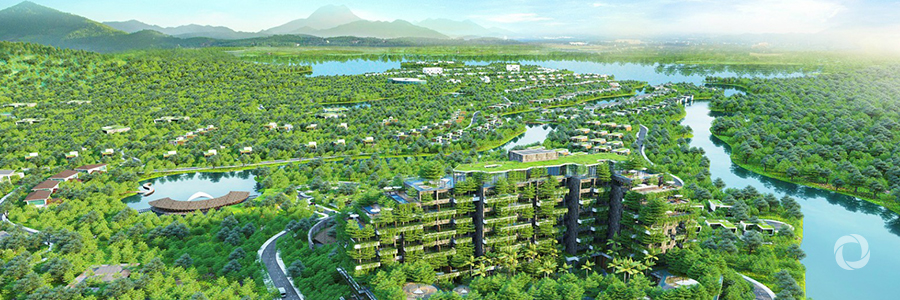
Sustainability and green are one of the most important factors for developers and investors to consider when developing their projects in Vietnam.
According to Pannir Chelvam, senior director of Keppel Land Vietnam, there are many different criteria for green development within the real estate sector. Among these are reducing energy and water consumption, minimising a project’s carbon footprint and environmental impact.
“All of these criteria are having been applied in our projects in Vietnam, to ensure sustainable development in the real estate sector,” Chelvam said.
According to a report released by the United Nations, the construction and development of real estate projects is one of the highest contributors to environmental problems. Across the world, construction accounts for one-third of the total energy used, releasing a quarter of the total CO2 and consuming 12 percent of the fresh water supply.
According to Tran Ngoc Chinh, chairman of the Vietnam Urban Development Association, real estate projects continually face challenges in harmonising between urban development and the protection of natural resources.
“The development in Sapa and Dalat are examples of a development strategy where the effects on the environment have not been considered,” Chinh said.
Sapa and Dalat have gone from peaceful, quiet cities to huge construction sites full of cranes, concrete and a mass of buildings.
‘Green building’ meanwhile is an inevitable trend that has been strongly developing both in the region and globally. It aims to achieving high efficiency in energy and material use, minimize negative impacts on the environment and limit risks to human health and the natural environment.
To date, Vietnam has around 150 constructions and buildings which have been certified with green certifications.
According to Do Huu Nhat Quang, founder, and director of GreenViet, the high fee, lack of support from the government and low awareness from developers are three major factors that hinder buildings in Vietnam from obtaining green certifications.
Original source: VIR
Published on 21 July 2018