
Add us as your preferred source on Google to see more of our content in Search.
 Add to Preferred Sources
The UK government will help protect and assist civilians in North West Syria amid warnings that more than 2.9 million people in Idlib and surrounding areas are at risk of deadly attacks by the Asad regime and its backers.
The support announced on 17 August by Minister for the Middle East Alistair Burt will provide emergency assistance and vital medical support for people sheltering in Idlib. This includes support for four health centres and two mobile health teams, which will travel around the area treating the most vulnerable people.
The Minister also announced that UK aid is backing an innovative new technology which provides civilians with early warnings to save lives in communities bombarded by airstrikes. The technology, which has been developed by civilian technology company Hala Systems, works by detecting aircraft using remote sensors and machine-learning algorithms, before sending early warnings to civilians through air raid sirens and social media alerts. Thanks to UK support, it has already warned more than 2 million people and is estimated to have reduced casualties by up to 27% in areas under heavy bombardment.
The Minister added that the UK is supporting the UN and other partners on an emergency response plan ahead of an anticipated escalation in the conflict.
“Today’s UK aid package will make sure the most vulnerable can get the medical treatment, food, water and support they so desperately need. But this is not enough. That’s why we’re also funding an innovative early warning system that is proven to reduce civilian casualties from airstrikes,” Minister for the Middle East Alistair Burt said.
The North West of Syria has become a refuge for around 1.9 million displaced people that have fled fighting throughout the country, bringing the region’s total population to around 4 million, 2.9 million of whom are living in Idlib and surrounding areas.
There have already been at least 37 attacks on health facilities in the Idlib region so far this year and civilians, aid workers, and medical staff fear for their safety.
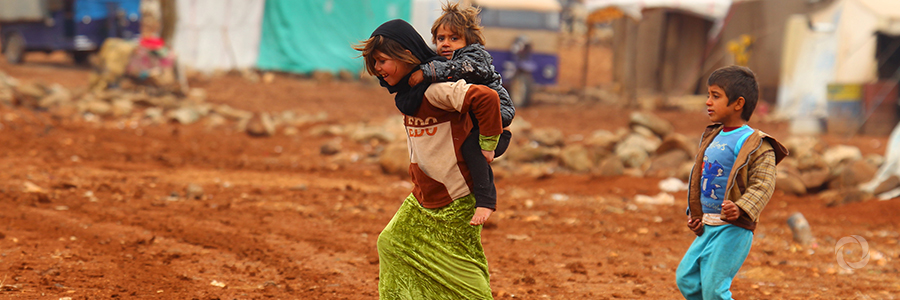
The influx of civilians has stretched scarce resources in the region and tens of thousands are living in tents in crowded camps, with demand for humanitarian assistance being greater than ever before.
Original source: DFID
Published on 17 August 2018