
Add us as your preferred source on Google to see more of our content in Search.
 Add to Preferred Sources
From deforestation to soil degradation and pollution, tobacco production and its use by consumers, is “tremendously destructive” for the environment, although control measures can help curb its negative environmental effects, including the damaging impact of climate change.
The World Health Organization Framework Convention on Tobacco Control (WHO FCTC), which is celebrating the 15th anniversary of it being adopted this year – is a global health treaty that advocates for the control of tobacco production, sale and use, as a way of reducing tobacco-related illnesses, deaths, environmental degradation and poverty across the world.
“People often immediately think of the health impact that tobacco has, but there is not enough awareness of how tremendously destructive it is for the environment too, on land, underwater and in the air,” said Dr. Vera Luiza da Costa e Silva, the Head of the WHO FCTC Secretariat.
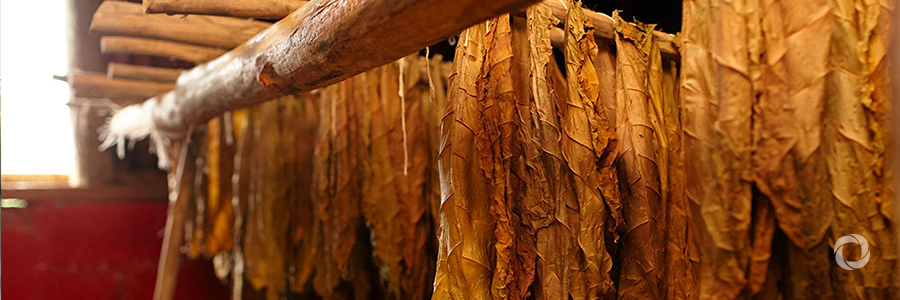
According to a report by the Secretariat and the UN Development Programme (UNDP), the noxious effects of tobacco on the environment begin with the pre-production process, as a particularly high amount of deforestation occurs not only to create space for tobacco farming, but also because a lot of timber is required for the drying process of tobacco leaves after they are harvested. Estimates show that tobacco farming causes up to five percent of global deforestation, with 200,000 hectares of natural wood biomass loss each year.
“Studies indicate that tobacco growing could be up to 10 times more aggressive than all other deforestation factors,” Dr. da Costa e Silva noted.
In addition, the report states that tobacco crop production leads to accelerated soil degradation, as it strips the earth of nutrients such as nitrogen, phosphorus and potassium faster and more extensively than other major food and cash crops.
“Importantly, tobacco production and use are major sources of pollution,” stressed the FCTC Secretariat chief.
In October, a High-Level Segment on Tobacco Control and Global Climate Action will take place in the Swiss city of Geneva, as part of the eighth session of the Conference of the Parties (COP8) to the WHO FCTC, to discuss the effect of tobacco cultivation, production and consumption on the environment and the contribution of Article 18 of the WHO FCTC implementation, to the 2030 Agenda for Sustainable Development, and the 17 global goals, or SDGs.
Original source: UN News
Published on 4 September 2018