
Global Fund and Unitaid to counter insecticide resistance with innovative insecticide-treated mosquito nets
Add us as your preferred source on Google to see more of our content in Search.
 Add to Preferred Sources
The Global Fund and Unitaid are jointly investing in new versions of insecticide-treated nets to fight malaria-carrying mosquitoes that have become resistant to older insecticides. It is hoped that the nets will provide a stronger line of defense against malaria for millions of people.
The New Nets Project, approved this month by Unitaid’s Executive Board, will pilot long-lasting insecticidal nets treated with new insecticide combinations in sub-Saharan African countries hardest hit by malaria.
The Global Fund and Unitaid will each contribute US$33 million to the four-year project. A coalition led by the Innovative Vector Control Consortium (IVCC) is carrying out the 2018-2022 project.
The project will build the evidence needed to allow WHO to consider making new policy around the use of these nets and will also assess their cost-effectiveness under pilot conditions.
The production volumes procured for the pilots will help the project to negotiate significant price reductions. These reductions are needed to make the new nets a sustainable choice for countries looking for the best value for money in controlling malaria.
“Working with partners such as the Global Fund, we can leverage the effect of our innovations, such as new insecticides and new insecticide-treated nets,” said Unitaid’s Executive Director Lelio Marmora. “Together we can make a powerful impact against malaria.”
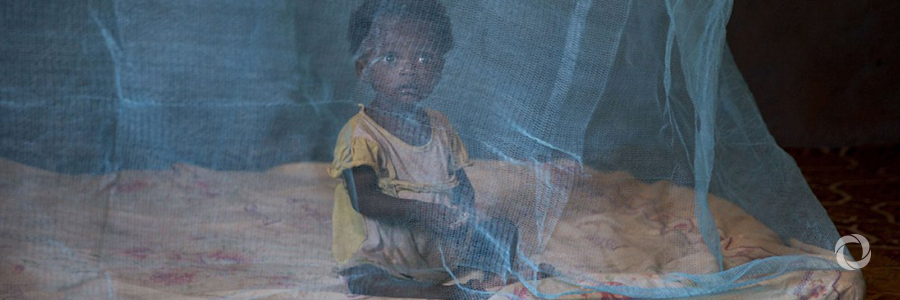
Mosquito nets provide a physical barrier against mosquitoes, and treating the nets with insecticide makes them lethal for mosquitoes that land on them. One of the most effective means of preventing malaria is sleeping under a long-lasting insecticidal net.
Mosquitoes’ resistance to insecticides threatens to undermine progress against malaria. Although the number of new malaria cases has fallen dramatically over the past 15 years, progress has recently stalled. According to the World Health Organization, there were 216 million cases of malaria worldwide in 2016, 5 million more cases than the year before.
The New Nets Project will support the WHO’s malaria goals, which aim by 2030 to reduce malaria cases and deaths by 90 percent, eliminate the disease in at least 35 countries and prevent a resurgence in countries that are malaria-free.
Original source: Unitaid
Published on 20 September 2018