
Add us as your preferred source on Google to see more of our content in Search.
 Add to Preferred Sources
The United Nations World Food Programme (WFP) is expanding its blockchain testing from refugee aid in the Middle East to supply chain management in Africa.
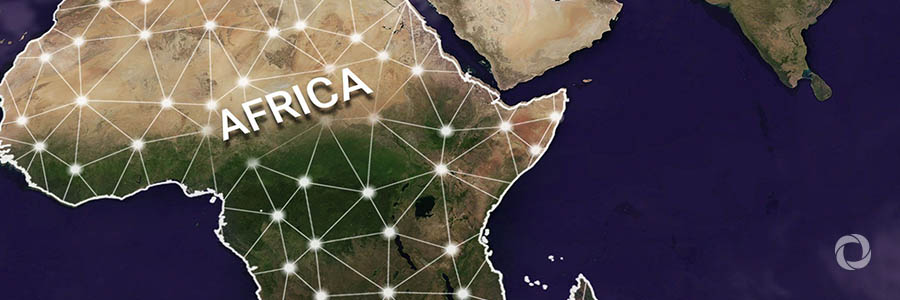
Following the agency’s well-publicized pilot of an ethereum-based system for cash transfers in Jordanian refugee camps – a project known as Building Blocks – it now plans to test blockchain for the tracking of food delivery in East Africa.
Specifically, the new project will monitor the movement of food from Djibouti’s port, where the WFP receives shipments, to Ethiopia, where much of its food operations are located.
Separately, the WFP also plans an initiative to educate Syrian refugee women in Jordan about managing their personal data and controlling third-party access to it on a blockchain system.
“We want to know how easy it is for people to interact with a system like blockchain and understand, ‘this is my data, I can control access. We yet have to figure out how it will look,” said Robert Opp, the WFP’s director of innovation and change.
This educational project will leverage the identity system the organization has built as part of Building Blocks, which was launched last year and now serves more than 100,000 refugees. In that program, people scan their irises to prove their identities, pay for groceries and receive cash back at supermarkets, and the transactions are recorded on a private version of ethereum.
“We are reaching 106,000 Syrian refugees in Jordan every month with cash benefits transfers. By implementing blockchain system we have been able to save around $40,000 a month in the transfer fees,” Opp said.
Currently, the WFP’s network includes four nodes and stores partial personal data about the registered refugees.
Meet and share your experience with professionals engaged in harnessing the potential of Blockchain for international development at the first Blockchain for Development Forum to unfold in Southeastern Europe. The event is scheduled for November 7th, 2018, and is due to take place at Hotel Opera Plaza, in Cluj, Romania.
Original source: CoinDesk
Published on 26 September 2018