
Add us as your preferred source on Google to see more of our content in Search.
 Add to Preferred Sources
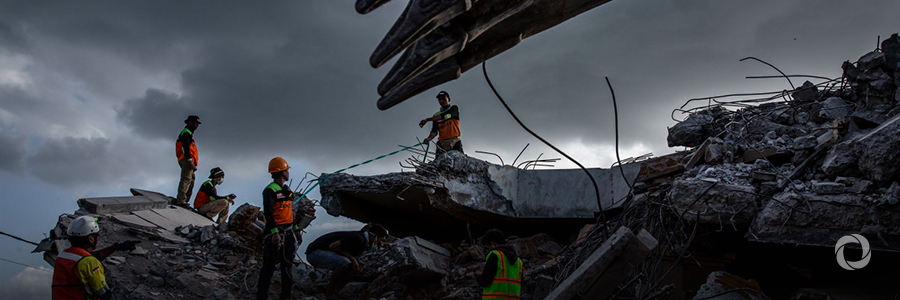
Rescue workers are still trying to reach areas of Sulawesi in Indonesia affected by an earthquake and tsunami, UN humanitarians said on October 1.
The update from the UN Office for the Coordination of Humanitarian Affairs (OCHA) follows the 7.4 magnitude tremor which struck Central Sulawesi at 5.02pm local time on September 28.
The quake subsequently caused a tsunami that hit coastal areas in Palu City and Donggala which has left more than 48,000 people sheltering in some 200 displacement sites.
“Our hearts go out to all affected by the earthquake and tsunami. My deepest condolences to all who have lost family and friends. The UN system is mobilizing to support government-led rescue and relief efforts as needed,” said UN Secretary-General António Guterres.
The UN agency added that the Government of Indonesia “welcomed specific offers” of international assistance that are in line with current needs, which according to the national disaster management agency (BNPB), include food, shelter materials, fuel and generators, clean water and medical assistance.
Delivery of aid is ongoing but landslides and damage to essential infrastructure is hampering access. This includes the damage to the runway at Palu airport, which is slowing the movement of equipment and personnel.
Messages of support from the UN Secretary-General were echoed by his Special Representative for Disaster Risk Reduction, Mami Mizutori: “The earthquake and tsunami are a reminder that the Pacific’s Ring of Fire is the most active seismic zone on the planet and requires special attention when it comes to disaster risk management,” she said. “About 90 percent of the world’s earthquakes occur there and the risk of an associated tsunami is extremely high which is why early warnings are so important along with public awareness raising and evacuation drills.”
Original source: UN News
Published on 1 October 2018