
Add us as your preferred source on Google to see more of our content in Search.
 Add to Preferred Sources
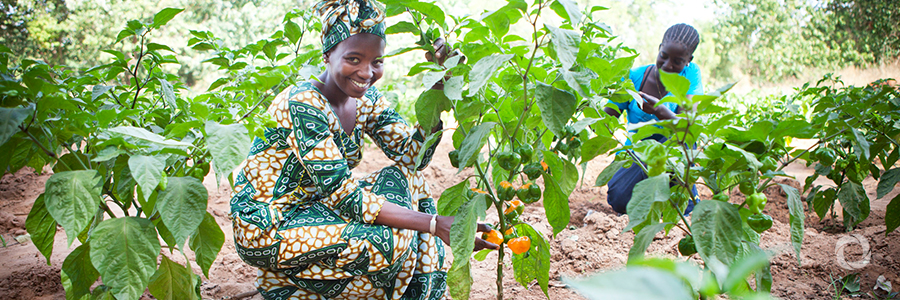
Without knowing about the weather and why it was changing, the people in the village of Jappineh in The Gambia’s Lower River Region would plant the same seeds in the same soil and hope for the best. When harvests increasingly failed, in an area where deforestation, raging bushfires, more severe river flooding, and prolonged drought have degraded land and caused fertile topsoils to disappear, disappointed farmers becoming desperate to feed even their own families started giving up hope.
Since climate change adaptation projects have started helping people understand the increasingly unpredictable weather and adjust their planting times and seed varieties.
Jappineh is one of 14 pilot villages that the Government of The Gambia, UN Environment and partners have supported with an early warning system project that started in 2014 with backing from the Global Environment Facility’s Least Developed Countries Fund.
The early warning system has increased the quality of climate information by providing better forecasting equipment to 10 meteorological stations across the country, while improving access to information by supporting local radio stations and drama groups to share it with their communities.
One of the world’s smallest and poorest nations, The Gambia relies heavily on agriculture for survival and is particularly vulnerable to climate change.
Meteorologist George Gaye has charted the change in temperature and rainfall in The Gambia’s western region at a weather station in its capital Besse.
“The rains are going down. If you compare the last 10 years, we have about 335 mm of erratic rains, and it used to be 400-500 mm” he says.
Gaye is glad that the forecasts are more accurate and frequent thanks to UN Environment providing automatic equipment and supporting a mobile network to transmit live data to a central meteorological centre at the country’s main airport.
In Jappineh, where the sun is scorching even in winter, people now gather in the shade of a health clinic courtyard around a radio donated by the project to listen to the forecast and when to plant. They can also hear weather broadcasts and warnings from community members who walk the sandy streets with loudspeakers
Original source: UN Environment
Published on 9 October 2018