
Add us as your preferred source on Google to see more of our content in Search.
 Add to Preferred Sources
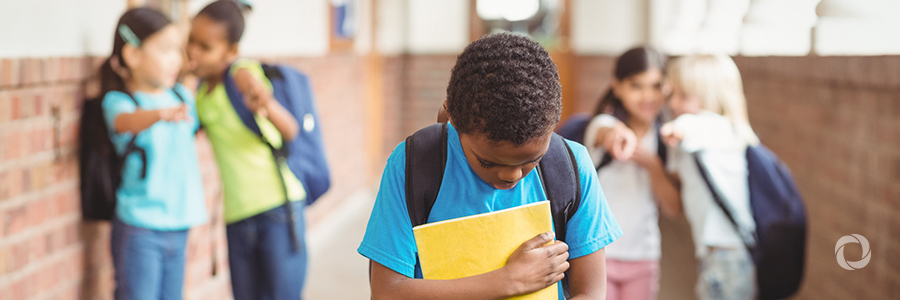
Around 130 million, or one-in-three children worldwide, experience some form of bullying, the United Nations stated on October 8, in its latest report on how children can be better-protected. This form of violence has long-lasting and direct consequences for their health, school performance and overall well-being.
“Being protected from bullying is a fundamental human right,” said Marta Santos Pais, Special Representative of the Secretary-General on Violence against Children.
Today, approximately 30 percent of adolescents in 39 countries in Europe and North America, admit to bullying others at school.
In addition, Ms. Santos Pais noted that teachers also play a great role in promoting “a culture of respect and safety” in schools and that sports environments can often become contexts where competitiveness leads to “humiliation, shaming and exclusion of those who fail to win”.
“Analyses of data from Ethiopia, India, Peru and Vietnam reveal that violence in schools, including physical and verbal abuse by teachers and by other students, is the most common reason given for disliking school, and, significantly, it is associated with lower scores in mathematics and lower self-esteem,” the report highlights.
Some of the initial findings published already denote that physical appearance – such as being overweight or having non-conforming gender expressions – is the main driver for bullying. Race, nationality and skin color are also high on the list. In the report, religion was not highlighted as a major contributing factor.
While the term “bullying” covers physical, psychological and sexual violence (understood in this context to mean sex-related mockery and gender-based discrimination), very little data is available on the psychological occurrence of it, and countries must do more to gain a better understanding of this issue. The UNESCO report shows that girls and boys are equally affected overall by bullying, but that boys are more likely to suffer from physical violence.
Read and download the report.
Original source: UN News
Published on 8 October 2018