
Add us as your preferred source on Google to see more of our content in Search.
 Add to Preferred Sources
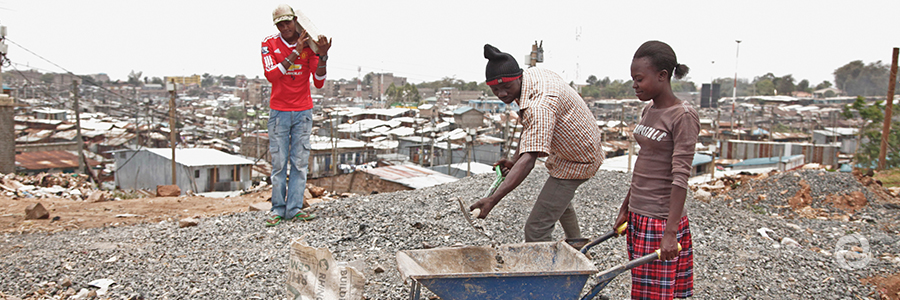
The Majengo garbage unit is part of a slum rehabilitation pilot project by UN-Habitat supported by the African, Caribbean and Pacific Group of States, the European Commission and the Kenyan Government . There is no public rubbish collection here so once a week, the 14 women and men walk through the village, armed with wheelbarrows and garbage cans and clean up. They sweep the narrow slum alleys, rake the open spaces between huts and clean the few roadside ditches.
The slum village lies on the outskirts of Mtwapa, north of Kenya’s coastal city of Mombasa. The project aims to transform this settlement and another one from randomly grown, densely populated shanty towns to neighborhoods with clean drinking water, toilets, adequate roads and safe living spaces in future with residents participating in developing their communities.
Albert Njama who coordinates the local community initiatives on behalf of UN-Habitat’s Participatory Slum Upgrading Programme explains that there are various PSUP-sponsored action groups that take on specific tasks – two garbage crews, a brickyard and a group of widows and widowers running water supply points.
The local community provides the workforce and remains responsible for the long-term maintenance of the projects. UN-Habitat provides support in know-how, material, equipment or work wear.
The conditions in Majengo have deteriorated over time. During the rainy season the water rose until the slum was submerged in water – since there is no drainage system. People threw their trash everywhere leading to outbreaks of diseases.
However Mr Njama has seen the transformation “Before this place was simply a disaster,” he said. “Without the support, we would never have come out of the squalor on our own.”
Original source: UN Habitat
Published on 10 October 2018