
Add us as your preferred source on Google to see more of our content in Search.
 Add to Preferred Sources
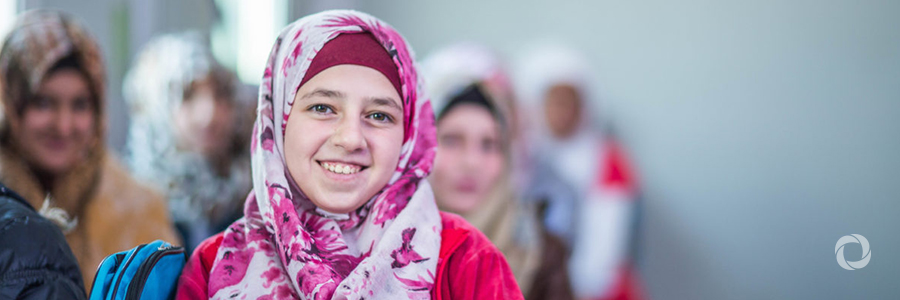
UNFPA operates 38 women’s and girls’ safe spaces in Syria, which provide sexual and reproductive health services, culturally sensitive counseling, legal support and vocational training to women and girls displaced by conflict, including victims of gender-based violence.
The centres provide more than health and social services. They supply women and girls with the knowledge and tools to make informed decisions about their futures.
“It is important for all to be informed of human rights,” said Massimo Diana, former UNFPA Representative in Syria. “We aim to empower women and youth to make well-informed choices about their bodies, sexuality and reproduction without discrimination, violence or coercion.”
This is how, when a group of women and girls at the Areesha safe space voiced their desire to learn to read and write, UNFPA mobilized support to introduce the camp’s first literacy course.
Women and girls at the centre
“The importance of involving women and girls in designing interventions has been entirely evident in the Areesha camp,” said Francesca Paola Crabu, UNFPA Gender-Based Violence Sub-Sector Coordinator. “In our close interactions with people in need, women and adolescent girls stated the importance of education and literacy skills to realize their dreams. UNFPA promptly reacted and engaged our dedicated partners to help these women and girls fulfill their dreams.”
The literacy course is part of an integrated programme to arm women and girls with the skills they need to participate in the decisions that most affect them, and to build the futures they deserve.
In 2018 alone, UNFPA and its partners have reached roughly 40,000 young people in Syria with health and social services, including literacy courses and other livelihood-support programmes. Twenty-six of the 38 women’s and girls’ safe spaces that UNFPA operates in Syria now offer literacy courses.
Original source: UNFPA
Published on 9 October 2018