
Add us as your preferred source on Google to see more of our content in Search.
 Add to Preferred Sources
On the occasion of the celebration of the 70th anniversary of the Universal Declaration of Human Rights, the UNESCO Slave Route Project will organize an International Symposium on “Healing the Wounds of Slavery: Towards Mutual Recovery” at the University of Georgetown, on 18 and 19 October 2018, in collaboration with the Guerrand-Hermès Foundation for Peace and the Berkley Center for Religion, Peace & World Affairs. The aim of this meeting is to highlight the psychosocial consequences of one of the greatest crimes against humanity from a historical and contemporary perspective.
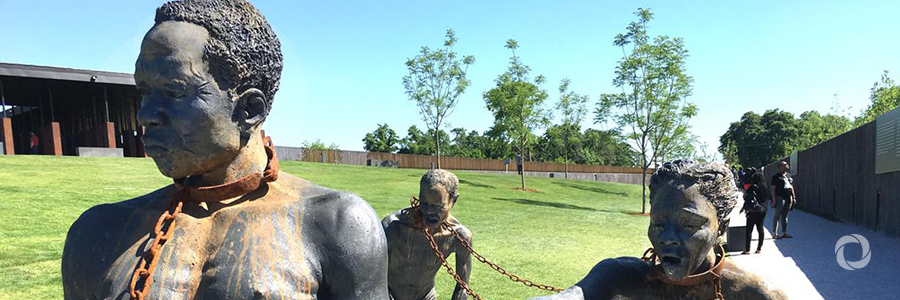
The transatlantic slave trade and slavery created a complex system of oppression and exploitation by which many millions of people have been considered “movable property”, in order to justify their dehumanization. These horrific events of human history have undeniably left their mark throughout the centuries on individual and collective memories, being at the root of social segregations and racial inequalities that continue to haunt our societies to this day.
We now have enough research on this tragic history to be able to recognize that the intrinsic memory of slavery is traumatic, in itself. Historians have unveiled the psychological consequences of the slavery system on the descendants of the protagonists of this tragedy. Recent studies of epigenetic have also demonstrated the possibility of the inter-generational transmission of trauma through DNA. However, a lack of recognition of these psychological effects on the designing of the curricula and training of health professionals limit access to appropriate treatment.
Therefore, it is essential to discuss the trauma of slavery and institutional racism that continue to prevail in our societies, in order to fight against all forms of inequalities and discrimination, as well as to facilitate reconciliation. “Healing the Wounds of the Slave Trade and Slavery: Towards Mutual Recovery”, will promote a fruitful exchange among neuroscientists, psychiatrists, health practitioners, historians, theologians and sociologists from different regions of the world. It will be an occasion to present the latest research findings in this field, in addition to taking steps towards eliminating this painful history.
Original source: UNESCO
Published on 12 October 2018