
World Bank and UNESCO join forces for enhancement of the right of access to information by victims of the armed conflict in Colombia
Add us as your preferred source on Google to see more of our content in Search.
 Add to Preferred Sources
A promising joint endeavor by UNESCO and World Bank is underway in Colombia to foster more effective access to information on victims’ rights through the capacity building of key pilot stakeholders responsible for managing related communications.
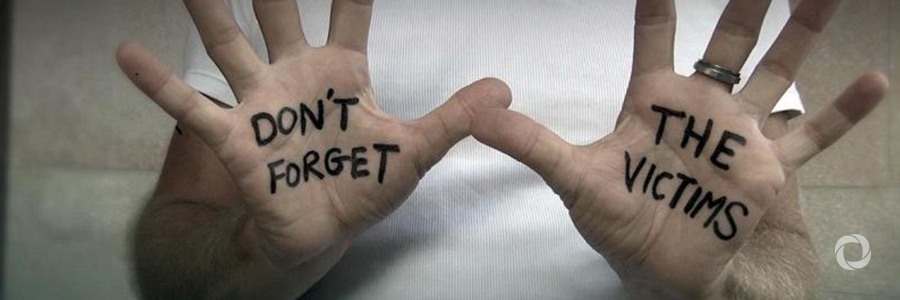
After almost 50 years of internal armed conflict in the country, currently, over 8.5 million people have been recognized by the State as victims. With unprecedented progress having been made in recent years in the peace process, the development and implementation of effective transitional justice programs and policies is critical to building peace in Colombia.
Government outreach programs and efforts by civil society organizations to raise awareness of victims’ rights and their exercise have a critical role to play in informing citizens about the programs and benefits for which they may be eligible, how to access them, and the ways in which these can participate in the creation and monitoring of related public policies. However, recent research has shown that many of the municipalities in regions most affected by the conflict lack media producing local news and that efforts to provide victims with access to information about their rights are not always having their intended impact due to challenges associated with coverage, understanding of the communicated information, and continuity in follow-up.
In response to this complex scenario, the World Bank and UNESCO, through funding provided by the World Bank’s Nordic Trust Fund, are working with the Government of Colombia and civil society organizations to develop a series of activities to strengthen their capacity to communicate to victims about their rights.
Work includes the elaboration of a capacity-building toolkit, based on UNESCO’s previous experiences, including the Toolkit for Judges, to help communication-interested actors to think more strategically about how to adjust their strategies for communicating to victims about their rights. It also contemplates the provision of technical support to strengthen the management of communication efforts targeting the delivery of information on victims’ rights and how to exercise them; and the delivery of two capacity-building workshops and participation in the celebration of the International Day of Access to Information (28 September); and the Latin American Conference of Investigative Journalism (8-11 November).
Original source: UNESCO
Published on 18 October 2018