
Add us as your preferred source on Google to see more of our content in Search.
 Add to Preferred Sources
On 28 September, Central Sulawesi, Indonesia, was struck by a powerful earthquake and a subsequent tsunami. Thousands of people are known to have died and tens of thousands of people have been displaced. In the event of a major humanitarian disaster, the basic needs of people are always difficult to fulfil—this is especially true for people living with HIV in Central Sulawesi.
The hospitals in the town of Palu are heavily damaged but remain operational. There are still stocks of antiretroviral therapy in those hospitals, but there are concerns about how long those stocks will last. Before the disaster, according to government data, there were an estimated 1913 people living with HIV in Central Sulawesi, with 334 people, including three children, on antiretroviral therapy.
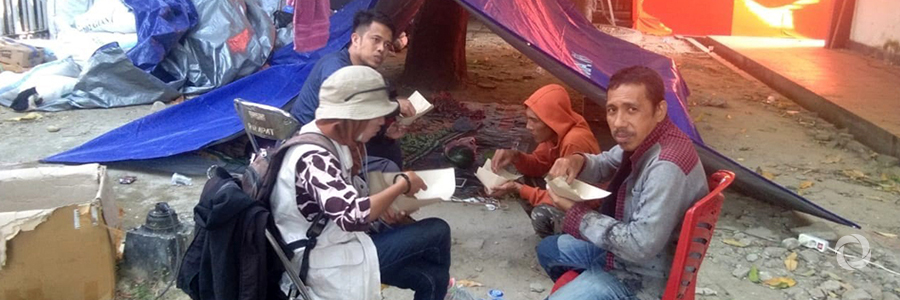
UNAIDS and partners in the region have joined together as the National Core Team for HIV Response in Humanitarian Settings. The team is actively working to support the HIV response in the affected areas, trying to find out the status of the people living with HIV yet to be found and ensuring the distribution of antiretroviral medicines to those who need them. A command post for HIV has been established in Palu, with a team monitoring the availability of antiretroviral medicines in the affected region.
The UNAIDS office in Indonesia has mobilized resources to fund six field visits by peer supporters for people living with HIV to Palu to provide immediate assistance. UNAIDS will also conduct a full needs assessment for HIV, tuberculosis, and malaria in Central Sulawesi to develop funding requests for medium- and long-term assistance and will establish contingency plans for use in the event of future disasters in Indonesia.
Original source: UNAIDS
Published on 19 October 2018