
Add us as your preferred source on Google to see more of our content in Search.
 Add to Preferred Sources
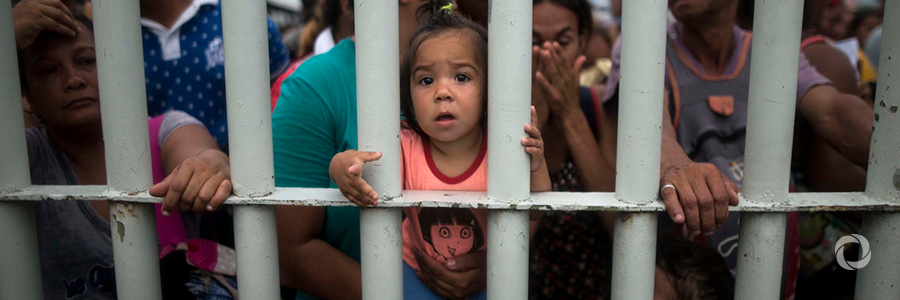
UNHCR, the UN Refugee Agency, has mobilized staff and resources to southern Mexico since October 18th, following the arrival at the Mexico/Guatemala border of thousands of people as part of a ‘caravan’ of refugees and migrants traveling from Honduras.
As of October 22nd, over 45 UNHCR staff are in Tapachula, Chiapas State capital and others are en route. Working in support of the Mexican authorities, our teams are providing staffing and technical help to ensure timely registration of asylum seekers, setting up identification and referral mechanisms for those with specific vulnerabilities and needs, and increasing assistance and shelter capacity.
Of concern to UNHCR at present is the developing humanitarian situation and the known kidnapping and security risks in areas the caravan may venture into. Stabilizing the situation has become urgent. It is essential that there are proper reception and other conditions for those seeking asylum as well as for others on the move.
The ‘caravan’, which has been estimated at up to 7000 people or more in size is the second organized march in the region this year, the first having taken place in April in Mexico. In Guatemala, UNHCR is monitoring the border at Tecun Uman, assessing needs, and with partners organizing humanitarian assistance to those most in need. In Honduras UNHCR is monitoring the situation at the border with Guatemala through its partners and its San Pedro Sula Office, as well as working with the authorities to ensure safe reception for those members of the Caravan who are returning.
UNHCR would like to remind countries along this route that this caravan is likely to include people in real danger. In any situation like this, it is essential that people have the chance to request asylum and have their international protection needs properly assessed before any decision on return/deportation is made.
Original source: UNHCR
Published on 23 October 2018