
Add us as your preferred source on Google to see more of our content in Search.
 Add to Preferred Sources
It is no secret that the biggest responsible for climate change is greed. The greed of the world’s largest private corporations, which blindly seek unlimited high financial benefits. And the greed of those politicians who are also blindly keen about holding their temporary power at any cost, thus not daring to challenge big business. Ordinary people can meanwhile help slow down such a hellish race.
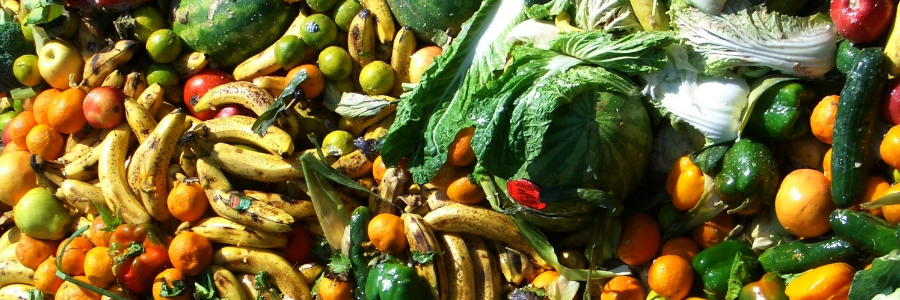
For instance, food waste has become a dangerous habit: buying more than we need at supermarkets, letting fruits and vegetables spoil at home, or ordering more than we can eat at restaurants. This way, each year, about one third of the food we produce globally is lost or wasted.
This is what the United Nations over and again tells. The point is that humans are apparently not paying real attention to help avoid such a huge food waste and loss, while lamenting that hunger and poverty are again breaking records in several parts of the world, often due to man-made disasters caused by excessive and even voracious consumption.
9 Tips for Reducing Food Waste
• Start small – Take smaller portions at home or share large dishes at restaurants.
• Leave nothing behind – Keep your leftovers for another meal or use them in a different dish.
• Buy only what you need – Be smart with your shopping. Make a list of what you need and stick to it. Don’t buy more than you can use.
• Don’t be prejudiced – Buy “ugly” or irregularly shaped fruits and vegetables that are just as good but look a little different.
• Check your fridge – Store food between 1 and 5 degrees Celsius for maximum freshness and shelf-life.
• First in, first out – Try using produce that you had bought previously and, when you stack up your fridge and cupboards, move older products to the front and place newer ones in the back.
• Understand dates – “Use by” indicates a date by which the food is safe to be eaten, while “best before” means the food’s quality is best prior to that date, but it is still safe for consumption after it. Another date mark that you can find on food packages is the “Sell by” date, which is helpful for stock rotation by manufacturers and retailers.
• Compost – Some food waste might be unavoidable, so why not set up a compost bin!
• Donate the surplus – Sharing is caring.
The facts about food waste and loss are bold. In developing countries, a large part of food –40 per cent– is lost at the harvest or processing stage, the Rome-based UN Food and Agriculture Organization (FAO) reports. This is called “food loss.”
Meantime, in developed countries, this same percentage –40 per cent– is lost at the consumer or retail stage, throwing away food that is not bought at stores or food that is not eaten at home, restaurants and cafeterias. This is called “food waste.”
In short, every year, an estimated 1.3 billion tonnes of the food produced for human consumption worldwide is lost or wasted.
Source: IPSNews. Read full article here.
27 June, 2017