
Add us as your preferred source on Google to see more of our content in Search.
 Add to Preferred Sources
Myanmar and the World Bank Group have agreed to a two-year extension of a partnership that will promote growth in rural areas, improve nutrition, health and education services, build infrastructure and create more jobs.
The renewal is of the Country Partnership Framework (CPF) that began in 2015 in an effort to help the country develop, especially in poorer rural areas. It was Myanmar’s first full, nationwide strategy to improve development and human capital in 30 years.
“After a review of the current Country Partnership Framework, Myanmar and the World Bank Group agreed to a two-year extension of the CPF, which aims to end extreme poverty and promote inclusive growth in Myanmar. Over the next two years, up to US$1.2 billion in financing by the International Development Association (IDA), one of the World Bank’s financing subsidiaries, will be earmarked for Myanmar, to be complemented with technical assistance and advisory services. The International Finance Corporation (IFC), the private sector arm of the World Bank Group, and the Multilateral Investment Guarantee Agency (MIGA), will continue their support to private lenders and investors based on demand”, said a statement.
The decision to extend the partnership is in keeping with Myanmar’s mission of responsible development, increased infrastructure and the betterment of its people, officials said.
“The extended World Bank Group’s Country Partnership Framework closely aligns with our economic policy. It will help us to consolidate progress and advance toward achieving our key development priorities such as rural development and fostering human capital, through efforts to improve nutrition, infrastructure development, and creation of jobs, in order for all of Myanmar to benefit from the country’s development,” H.E. U Kyaw Win, Union Minister for Planning and Finance.
A review of the current CPF by the World Bank Group showed progress in the areas of reducing rural poverty, investing in people and effective institutions, and supporting a dynamic private sector to create jobs, the organisation’s statement noted.
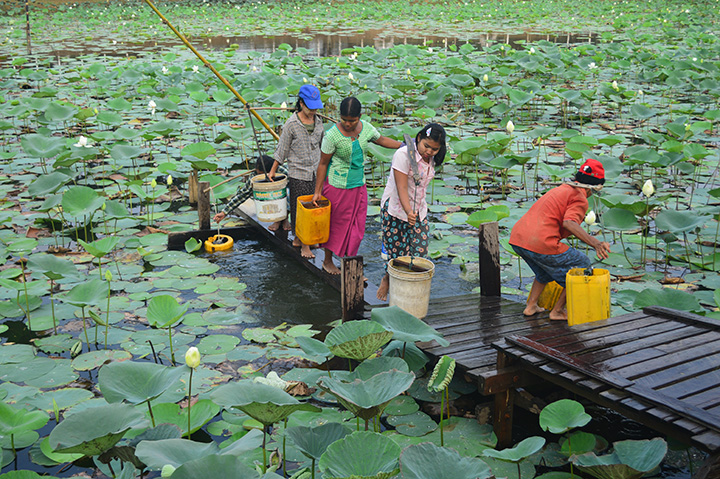
Better schools, roads, and other infrastructure have benefited some 5.4 million people since 2015. Stipends have helped 150,000 more students attend school. Families in remote villages across Myanmar have benefited from community investments in schools, clinics, clean water, sanitation, electricity for lighting, refrigeration, and running businesses through World Bank-financed education, health, power, and community driven development projects. Over $1.5 billion of private sector financing was mobilised through loans, equity, and guarantees by IFC and MIGA, along with a significant program of technical assistance and advisory services.
The top World Bank official for Myanmar said the renewal of the agreement allows the organisation to assist in the shared mission of lifting the country out of poverty using its own manpower.
Source: Government of Myanmar. Read full article here.
27 June, 2017