
Add us as your preferred source on Google to see more of our content in Search.
 Add to Preferred Sources
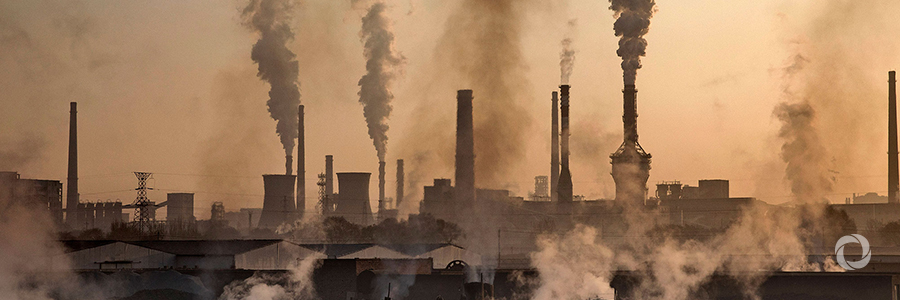
The World Meteorological Organization has joined the global commitment to reduce deaths due to air pollution by two thirds by 2030.
At the World Health Organization’s first ever Global Conference on Air Pollution and Health, WMO pledged to strengthen the quality and availability of pollution observations, enable provision of air quality forecast and advisory services and incorporate health impacts in key scientific assessments on climate and climate change.
WMO was a co-organizer of the three-day event, which secured commitments from governments, health authorities, international agencies, and the scientific community to act against air pollution.
Air pollution shortens the lives of around 7 million people each year, and nine out of 10 people breathe air polluted by traffic emissions, industry, agriculture or incineration, said WHO Director-General Tedros Adhanom Ghebreyesus.
“No one escapes from the womb to the grave,” he said, pointing out that children are especially vulnerable. “The cost of action is high but the cost of inaction is even greater.”
“Action to improve air quality and tackle climate change are both a top global priority,” said Mr. Taalas. “We can mitigate both problems with the same means by getting rid of fossil energy,” he said.
Earlier this year WHO and WMO signed an agreement to improve health outcomes through better weather, climate, atmospheric and hydrological services and through improved monitoring and management of environmental health risks, such as hazardous air quality. This includes closer coordination between meteorological services which observe and predict air quality, and health authorities, which deal with the impact of human exposure to pollutants.
Participants at the conference recommended an aspirational goal of reducing the number of deaths from air pollution by two thirds by 2030.
“The World Meteorological Organization provider of sound and robust scientific basis for policy-making will help to tackle air pollution and support the global action,” said WMO Deputy Secretary-General Elena Manaenkova.
“No country should remain without Early Warning Systems by 2030,” she said.
Original source: WMO
Published on 30 October 2018