
Add us as your preferred source on Google to see more of our content in Search.
 Add to Preferred Sources
The international community is failing to end hunger, evidenced by the tragic crisis in Yemen, the Director-General of the Food and Agriculture Organization (FAO) José Graziano da Silva told a high-level briefing on food insecurity to the Member States at the United Nations in New York.
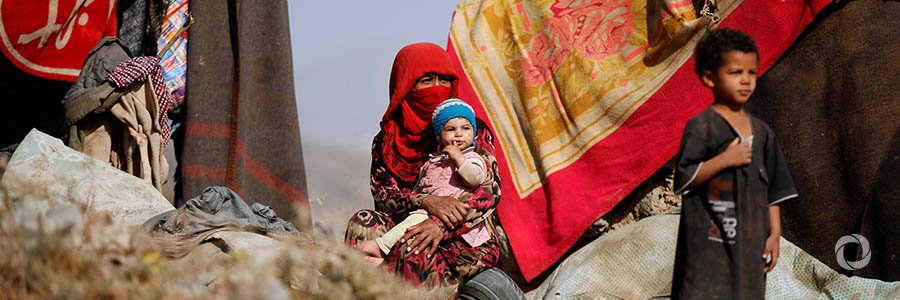
“We are watching before our eyes an unprecedented human tragedy,” Graziano da Silva said in New York in reference to the ongoing conflict in Yemen which has caused up to 14 million people to be at risk of severe food insecurity, including children facing the worst extremes of hunger.
“Yemen is living proof of an apocalyptical equation: conflicts and food security go hand in hand, and when there is an overlap of climate change and conflict, famine is already on the horizon,” he said.
The briefing by FAO, the World Food Programme and the International Fund for Agricultural Development focused on the causes and implications of the recent rise in global hunger, and efforts needed to put the Sustainable Development Goal of Zero Hunger back on track.
“We live in a world in which hunger and obesity are both on the rise. We need to take decisive action through a multilateral approach to overcome these challenges in food security and nutrition,” the President of the General Assembly María Fernanda Espinosa Garcés said at the opening of the session.
At the same time, the Director-General told attendees, obesity rates are going up in all regions of the world, and more than one in eight adults in the world is obese. The problem is most significant in North America, but Africa and Asia are also experiencing upward trends.
Migration must work for all
The rise of migration was also in focus, with Graziano da Silva telling Permanent Representatives that hunger was one of the drivers behind the ‘migrant caravan’ moving through Central America towards the United States.
“Those migrants including many indigenous people are abandoning their fields after repeated crop failures, attributed to prolonged drought and changing weather patterns,” he said.
“The objective must be to make migration a choice, not a necessity, and to maximize the positive impacts while minimizing the negative ones,” Graziano da Silva said. “In many situations, it makes sense to facilitate migration and allow prospective migrants to take advantage of the opportunities that migration offers. This can help promote economic, social and human development,” he added.
Original source: FAO
Published on 6 November 2018