
Add us as your preferred source on Google to see more of our content in Search.
 Add to Preferred Sources
The United Nations World Food Programme (WFP) and the United Nations Population Fund (UNFPA) in Sri Lanka embarked on a new joint project to improve women’s nutrition and promote gender equality and women’s empowerment in Sri Lanka by providing critical information and services on sexual and reproductive health, nutrition and food security over the next year.
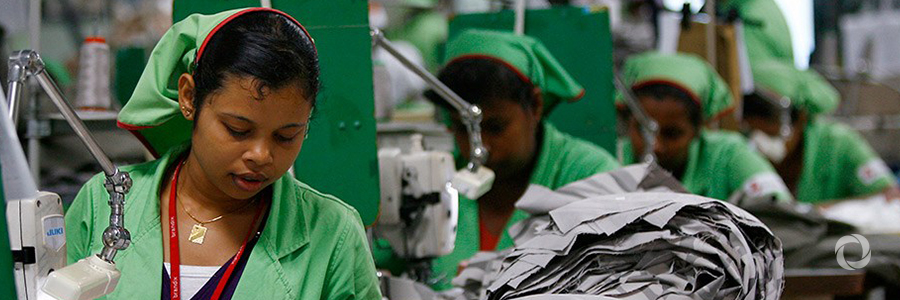
The project, which will assist communities in six districts – Monaragala, Matale, Mullaithivu, Mannar, Batticaloa, and Nuwara Eliya – focuses on the development of women entrepreneurs through initiatives aimed at enhancing their skills and boosting their income. In addition, the project will aim to improve access to sexual and reproductive health services which would enable the prevention of human rights violations such as gender-based violence.
“Fostering social and economic empowerment among Sri Lanka’s women will help break the vicious intergenerational cycle of malnutrition,” said Brenda Barton, WFP Representative. “Poor nutrition early in life reduces learning potential, increases reproductive and maternal health risks, and lowers productivity”.
“UNFPA is delighted to start this new collaborative project with WFP, which looks at health and well-being of women and girls in a holistic way. Through this project, we aim to expand choices for women and girls in Sri Lanka, part of the efforts to leave no one behind,” said Ritsu Nacken, UNFPA Representative.
Substantial evidence demonstrates that better-nourished girls are more likely to stay in school. If young people are also provided with comprehensive knowledge and access to services on sexual and reproductive health, they will be informed and empowered to protect themselves from human rights violations such as gender-based violence. Then it would unleash the potential of young people to make important contributions to the social and economic development of their communities and the country overall.
The joint project is thanks to a contribution to WFP by the Government of Denmark (USD 458,000; LKR 81.9 million). The initiative will be executed in close cooperation with the Ministry of Health, Nutrition and Indigenous Medicine.
Original source: WFP
Published on 26 November 2018