
Add us as your preferred source on Google to see more of our content in Search.
 Add to Preferred Sources
With around one in every 60 people across the world caught up in a crisis that requires urgent humanitarian assistance, the UN Deputy Secretary-General Amina Mohammed told a top panel on the issue that maintaining a “fire-fighting approach is not sustainable” in the long term.
Although the international humanitarian system is more effective than ever, poverty, climate change, and other challenges are leaving multitudes vulnerable to the devastating impacts of war and natural disaster, according to the UN humanitarian coordination office OCHA.
Speaking at the seventh annual Global Humanitarian Policy Forum, organized by OCHA, Ms. Mohammed spotlighted that Yemen remains on the brink of famine, Ebola is resurgent in the Democratic Republic of the Congo and “some two billion people still lack safe drinking water – more than a quarter of the world.”
“Global hunger has increased for a third consecutive year,” she continued. “Almost one-in-nine people suffer from hunger.” Noting that some 132 million people, mostly women and girls, will need aid and protection in 42 countries around the world, she commended generous donors and humanitarian workers, but stated: “We should be trying to prevent these crises from happening in the first place, rather than helping people to survive them once they erupt.”
“We need political solutions, and we need to invest in sustainable development to resolve and prevent crises – of all kinds”, maintained the deputy UN chief.
Under the theme “Solutions for Humanity: Creating opportunities for those furthest behind”, the forum is assessing the current humanitarian landscape to identify concrete approaches to challenges, such as compliance, financing and humanitarian-development collaboration.
Ms. Mohammed called the 2030 Agenda for Sustainable Development “our blueprint” for long-term investment in resilient States and “our best tool” to prevent and overcome existing crises.
She reminded everyone that the sustainable development goals (SDGs) represent a universal commitment to tackle root causes of crises, often generated by struggles over resources, issues of inequality and exclusion, unmet aspirations, and ethnic and religious divisions.
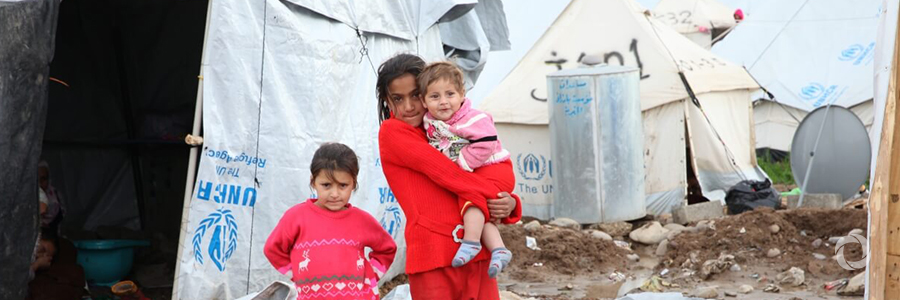
According to Ms. Mohammed, children suffer the most in humanitarian crises, saying that in countries affected by emergencies, they often lose their homes, family members, friends, and sense of security and normal routine.
The deputy chief encouraged everyone present to think about innovative solutions and partnerships that could help address the challenges “that hinder our ability to prevent and exit existing crises while we continue to save lives and to do this at scale.”
Original source: UN News
Published on 12 December 2018