
Add us as your preferred source on Google to see more of our content in Search.
 Add to Preferred Sources
Holding the UN climate conference COP24 in Katowice sends a strong signal as it provides the international community with an opportunity to learn from an on-going energy transition in a traditionally fossil-fuel intensive region. At the same time, it reminds us of the imperative of a just energy transition on our pathway towards a climate-safe future.
The global energy landscape is truly witnessing rapid and wide-ranging changes driven by an unprecedented growth of renewables. Last year alone, a record-breaking 168 gigawatts of renewable energy capacity was added globally, making it the sixth year in a row in which new power generations from renewables outpaced conventional sources including from coal.
Renewable energy is driving an energy transformation that is creating new socio-economic opportunities for countries, regions and local communities across the world. It is also key to address climate change, which is becoming ever more urgent.
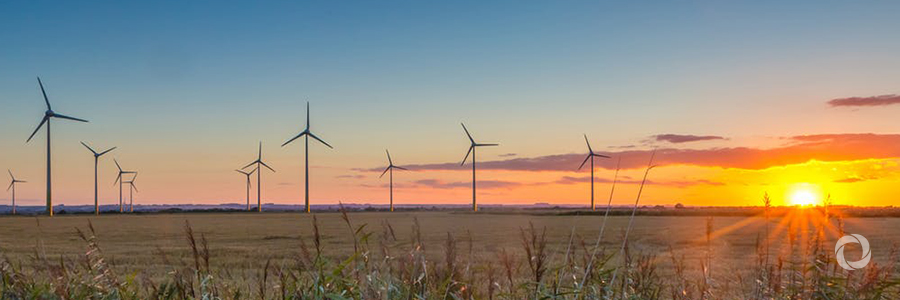
Poland has a vast potential for renewable energy resources, such as biomass and wind energy, and is therefore well positioned in this changing landscape. While coal-fuelled an intensive industrialization in the 18th century, wind energy could become a new point of industrial departure for Poland.
To put this in concrete numbers in the Polish context, the development of 6 gigawatt of offshore capacity in Poland could create more than 75 000 new jobs and contribute about PLN 60 billion to the economy. Developing wind farms in Poland could also increase demand for products from many Polish companies, thereby reviving industries in regions such as Upper Silesia.
Overall, shifting the global energy system to renewables would grow the world economy by one percent till 2050, translating into a cumulative gain of more than USD 52 trillion. IRENA also estimates a total of 29 million jobs in renewables by 2050. With 500 000 new jobs, more jobs were created in renewables 2017 than in all fossil fuel technologies combined, surpassing the 10-million-benchmark for the first time. If we add social welfare benefits like better health, air quality and reduced pollution, potential gains more than outweigh additional costs.
Original source: IRENA
Published on 13 December 2018