
Add us as your preferred source on Google to see more of our content in Search.
 Add to Preferred Sources
A recent report jointly published by Oxfam, a confederation of charitable organisations focused on reducing global poverty and the Institute of Development Studies at the University of Sussex in the United Kingdom described a three-year study on changes in food habits in several different sectors of the developing world. The study focused on dietary changes experienced by low-income individuals, with participants tracked in Bangladesh, Bolivia, Burkina Faso, Ethiopia, Guatemala, Indonesia, Kenya, Pakistan, Vietnam and Zambia.
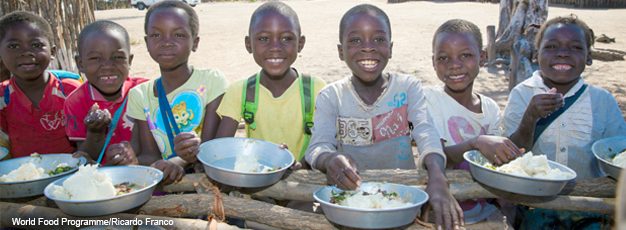
The study’s authors discovered that food inflation and price volatility in the studied countries have a significant impact on what people eat, prompting many to consume food that they considered to be either ‘disgusting’, ‘dangerous’ or both. The authors also found that even in areas where malnourishment was a significant issue, many people are increasingly choosing food that values novelty, status and convenience over price, safety and tradition.
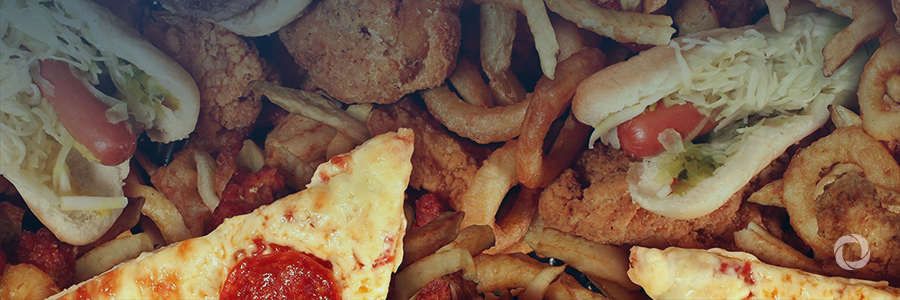
The study, entitled Life in a Time of Food Price Volatility, noted that there is an ongoing global phenomenon in which traditional recipes and foodstuffs are being phased out in favour of branded, processed and less healthy foods since these are seen as a sign of social progress and overall economic development. Furthermore, the burgeoning market in prepared foods has gained increasingly wide acceptance among women as these items require less time and effort to prepare. This comes despite women acknowledging that processed foods may be less healthy to consume and more expensive to purchase.
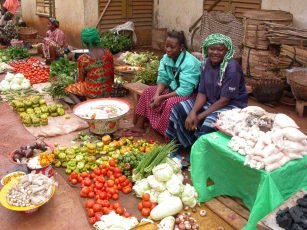
A common element throughout Life in a Time of Food Price Volatility is that individuals in both low- and high-income countries are experiencing a loss of control over the foods they are eating. The issues noted in the report were used to advocate for governments and humanitarian aid donors to develop a coordinated strategy for preserving traditional foods, protecting consumers from dangerous or unhygienic processed foods and delivering greater education on the nutritional content of the foods that people consume.
Life in a Time of Food Price Volatility was launched in 2012, when British and Irish food aid was delivered to ten different countries around the world. In an effort to help policymakers understand the deep economic, cultural and social impact that delivering food aid can have, the researchers set up a framework to reduce inefficiencies and manage recipient perceptions that donor food aid is alien, foreign, unsafe or dangerous to eat.
The report further analyses how local price changes can have extensive corollary effects on the lives of individuals. These include pushing more members of the family to work outside the home in order to buy food, forcing women to leave childcare and other domestic duties as they go out to work, and the rise in popularity of prepared and semi-prepared foods among women, who largely choose them for their time-saving convenience despite their frequently much higher prices.