
Add us as your preferred source on Google to see more of our content in Search.
 Add to Preferred Sources
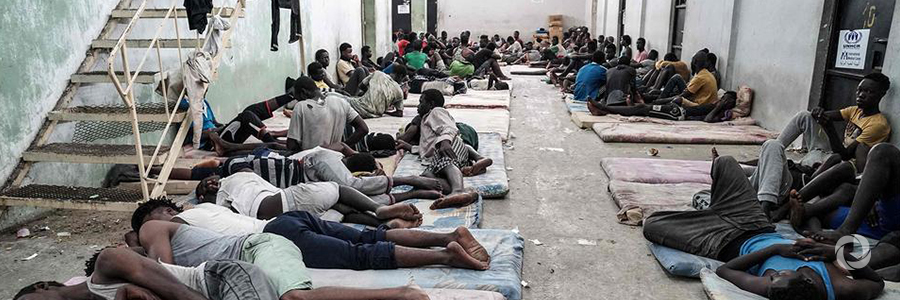
Migrants and refugees are being subjected to “unimaginable horrors” from the moment they enter Libya, throughout their stay in the country and – if they make it that far – during their attempts to cross the Mediterranean, according to a report released on December 20, by the United Nations political mission in Libya (UNSMIL) and the UN human rights office (OHCHR).
“There is a local and international failure to handle this hidden human calamity that continues to take place in Libya,” said Ghassan Salamé, who heads UNSMIL.
From unlawful killings, arbitrary detention and torture, to gang rape, slavery, and human trafficking, the report covers a 20-month period up to August 2018, and details a terrible litany of violations and abuses committed by a range of State officials, armed groups, smugglers and traffickers against migrants and refugees.
The findings are based on 1,300 first-hand accounts gathered by UN human rights staff in Libya itself, as well from migrants who have returned to Nigeria or managed to reach Italy, tracing the entire journey of migrants and refugees from Libya’s southern border, across the desert to the northern coast.
The climate of lawlessness in Libya provides fertile ground for illicit activities, leaving migrants and refugees “at the mercy of countless predators who view them as commodities to be exploited and extorted,” the report says, noting that “the overwhelming majority of women and older teenage girls” report having been “gang-raped by smugglers or traffickers.”
Many people are sold from one criminal group to another and held in unofficial and illegal centres run directly by armed groups or criminal gangs. Countless migrants and refugees lost their lives during captivity by smugglers, after being shot, tortured to death, or simply left to die from starvation or medical neglect.
The UN independent human rights expert on torture, Nils Melzer, estimates that, given the risks of facing human rights abuses in the country, transfers and returns to Libya can be considered a violation of the international legal principle of “non-refoulement”, which protects asylum seekers and migrants against returns to countries where they have reason to fear violence or persecution.
The report calls on European States to reconsider the human costs of their policies and ensure that their cooperation and assistance to the Libyan authorities respectful of human rights, and in line with international human rights and refugee law, so they do not, directly or indirectly, result in men, women and children being trapped in abusive situations with little hope of protection and remedy.
Original source: UN News
Published on 20 December 2018