
Add us as your preferred source on Google to see more of our content in Search.
 Add to Preferred Sources
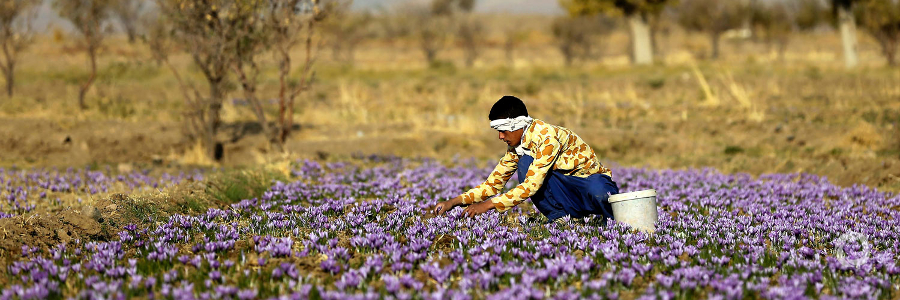
A traditional saffron cultivation system in Iran, an argan-based agro-pastoral system in Morocco, and an ancient olive trees system in Spain won recognition from FAO as Globally Important Agricultural Heritage Systems (GIAHS).
All the sites feature unique ways to produce nutritious foods and/or spices using traditional knowledge and skills while improving local people’s livelihoods and preserving biodiversity.
The sites were designated by the GIAHS Scientific Advisory Group based on selection criteria, including global importance, their value as a public good in terms of supporting food and livelihood security, agro-biodiversity, knowledge systems, adapted technologies, cultures, and outstanding landscapes.
It is the third time that sites in Iran and Spain are added to the global agricultural heritage systems list and the second time for Morocco. FAO’s global agricultural heritage network now consists of 57 remarkable landscapes in 21 countries around the globe.
Saffron Farming System based on Qanat irrigation in Gonabad, Iran
The Saffron Farming System is located in Iran’s central plateau that has an arid and semi-arid climate. Severe water shortages in the area pose major threats to food security and livelihoods of local communities.
However, proper use of water resources supplied by the Qanat (or aquaduct) irrigation system and production of high value-added products, especially saffron, have created a unique opportunity for farmers and residents of the region to improve their livelihoods.
Ancient Olive Trees Agricultural System “Territorio Sénia”, Spain
“Territorio Sénia” is located at the meeting point between the areas of the Valencian Community, Catalonia and Aragon. This territory includes 27 municipalities which are linked by their geography, their history, their language and their culture and also have the highest concentration of ancient olive trees in the world.
Argan-based agro-pastoral system in Ait Souab-Ait Mansour Region, Morocco
The agro-forestry-pastoral system in Ait Souab-Ait Mansour is a unique region where argan trees have been cultivated for centuries. This system is based on agroforestry practices in dry stone terraces being highly resilient to arid environment, water scarcity and poor soils. It uses only locally adapted species and pastoralism activities and relies on a traditional water management provided by the Matifiya – a rain water reservoir carved into rock.
Original source: FAO
Published on 21 December 2018