
Add us as your preferred source on Google to see more of our content in Search.
 Add to Preferred Sources
Water is life. Yet in Mozambique, many people have to live without it: 51% of Mozambicans have no access to safe drinking water and 69% live without proper sanitation facilities.
Mozambique’s unique geographic features pose a challenge to effective water management: The coastline extends almost 2.500 km and the country serves as a drain area for nine large rivers. Frequently, floods and droughts leave people with either too much or too little water for personal, agricultural and industrial use. This does not only pose a direct threat for human life but also impacts the economy. Ensuring access to water in the right quantity, right quality, at the right place and at the right time is crucial for Mozambique’s social and economic development.
Therefore, the Austrian Development Agency (ADA) supports PRONASAR, a joint effort between the government of Mozambique, development partners, NGOs and the private sector. The project aims to reach Sustainable Development Goal (SDG) number 6: Clean water and sanitation for all. Through the concerted contribution to PRONASAR ADA has provided access to safe water, sanitation and hygiene to more than 3.5 million people in poor rural communities.
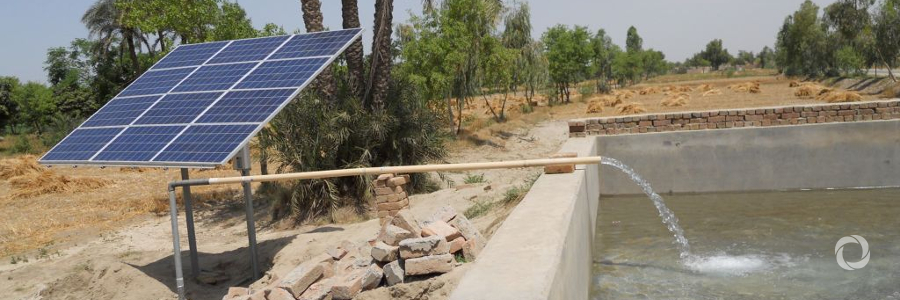
Based on the lessons learnt of this support, ADA is now implementing a complementary program to PRONASAR at a provincial level, called “Agua Sofala”. The building of nine solar-powered water supply systems will enable 50.000 people in the province of Sofala to access potable water. Furthermore, the construction of 21.700 improved latrines will provide over 100.000 people with safe rural sanitation services. In addition, inclusive water and sanitation infrastructure facilities will be built in ten primary schools, benefiting more than 2.000 students (of which at least 100 are disabled persons). ADA’s fund will thus be a strong contribution to achieving the SDG 6 target of ensuring availability and sustainable management of water and sanitation for all.
Original source: ADA
Published on 22 December 2018