
Add us as your preferred source on Google to see more of our content in Search.
 Add to Preferred Sources
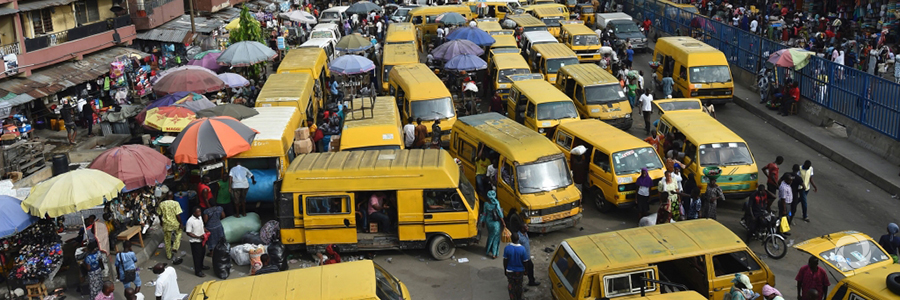
In Africa, as elsewhere, urbanized locations exert pressure on already vulnerable populations impacted by lack of access to potable water supply, sanitation, and waste management, energy supply, transport infrastructure, and services.
With nearly 90 percent of global population growth occurring in Asian or African cities, the goal of improving the quality of life for the people of Africa will only be achieved by mainstreaming resilience and effective financing mechanisms into the continent’s urban development agenda.
This was the key message of expert deliberations at events hosted by the African Development Bank and its partners during the United Nations Climate Change Conference held this December in Katowice, Poland.
In Africa, as elsewhere, urbanized locations exert pressure on already vulnerable populations impacted by lack of access to potable water supply, sanitation, and waste management, energy supply, transport infrastructure and services, healthy and hygienic living conditions and climate hazards. Adequate mechanisms, therefore, need to be put in place to tackle the negative fallouts of these challenges.
According to the United Nations, cities are hotspots for global emissions and climate vulnerability. They are also responsible for two-thirds of the world’s overall energy consumption and an estimated 70 percent of all greenhouse gas emissions.
Already, with the highest urbanization rates on the planet, Africa’s urbanization rate is projected to accelerate in the coming decades, with the current 1.1 billion population doubling over the next 30 years. More than 80 percent of the increase will occur in Africa’s cities.
“The potential consequences of climate change such as the rise in sea levels and unpredictable weather patterns will increasingly strain the capacities of Africa’s urban systems and heighten their vulnerability,” said Anthony Nyong, Director of Climate Change and Green Growth at the African Development Bank.
“Urban environments are expanding rapidly across Africa, for example in places like Egypt and along the coast of West Africa. Placing our attention on resilient urban planning, we can ensure we will reach the UN 2030 [development] goals, we can ensure an inclusive, resilient and sustainable urban environment. And we can improve our resilience to climate changes,” Nyong said.
Integrated urban planning is urgently required, Nyong further remarked, noting that African cities need effective planning and financing strategies to realign their growth trajectories onto a more sustainable, resilient, and inclusive path administrator now have an opportunity.
Original source: AfDB
Published on 28 December 2018