
Add us as your preferred source on Google to see more of our content in Search.
 Add to Preferred Sources
Nigeria needs not less than $337 billion to implement the Sustainable Development Goals from 2019 to 2022, the UN Support Plan for the Sahel has estimated.
The cost of implementing the SDGs in Nigeria, according to the plan, is $80.65 billion in 2019; $82.83 billion in 2020; $85.07 billion in 2021; and $87.37 billion in 2022.
The overarching goal of the Plan, targeting 10 countries, namely Nigeria, Burkina Faso, Cameroon, Chad, The Gambia, Guinea, Mali, Mauritania, Niger, and Senegal, is to scale up efforts to accelerate shared prosperity and lasting peace in the region.
The Plan, covering the period of 2098 to 2030, would help implement identified priorities to achieve the 2030 Agenda for Sustainable Development and the African Union Agenda 2063.
The plan, however, stated public-sector funding gap, on the average, remained at 36.2 percent of the required resources.
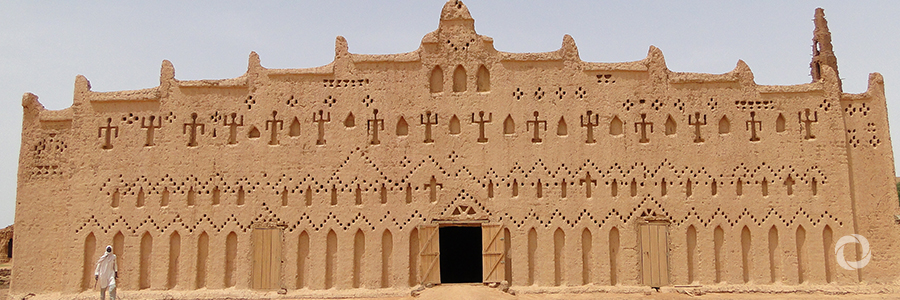
The plan noted that the Sahel is as much a land of opportunities as it is of challenges, and it is blessed with abundant human, cultural and natural resources, offering tremendous potential for rapid growth.
It said in terms of natural resources, the Sahel is one of the richest regions in the world and is abundant with oil, natural gas, gold, phosphates, diamonds, copper, iron ore, bauxite, biological diversity, and precious woods, among many other assets.
The Sahel is also endowed with more potential for renewable energy such as solar and wind than other regions of the world, the UN plan showed.
The Sahel is also the most youthful region of the world with 64.5 percent of youth aged less than 25 years, meaning investments in education and vocational training could yield a demographic dividend.
Original source: The Eagle Online
Published on 27 December 2018