
Add us as your preferred source on Google to see more of our content in Search.
 Add to Preferred Sources
More than a million Iraqis whose lives have been devastated by Daesh safely returned home in 2018, made possible in part thanks to a huge UK aid funded mine clearance mission.
The Department for International Development (DFID) has announced further support to clear explosives from schools, hospitals and roads in Iraq, eradicating one of the lasting impacts of Daesh’s reign of terror across the country.
Thousands of Improvised Explosive Devices (IEDs) continue to threaten the lives of Iraqi men, women and children trying to rebuild their lives after the conflict and the UK’s vital work will help even more people to return to normality without continued risk to their lives.
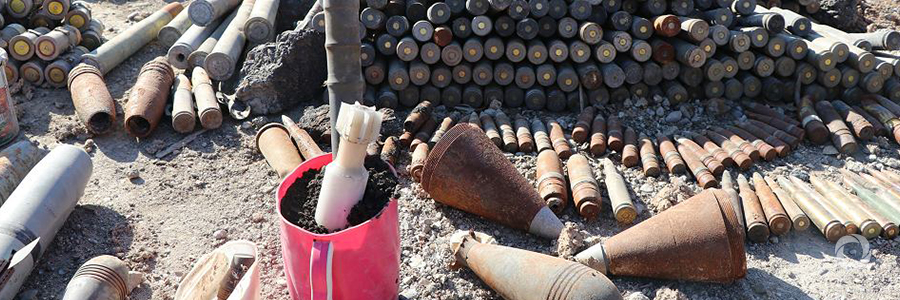
With the support of UK aid, approximately 16,500 explosives, 800 suicide belts and a staggering 2,000 deadly explosives traps were cleared in Iraq last year.
“Thanks to this UK aid funded work, people can return to work, children can go back to school and lives are slowly being rebuilt. The UK is a world leader in demining. I believe the UK public supports this work and can very clearly see its impact, in changing and saving lives,” said International Development Secretary Penny Mordaunt.
This new funding will support projects across the country’s Sinjar Province, an area with a historically large population of Yezidis who have been displaced by Daesh in their thousands, and one of the areas worst impacted by Daesh occupation.
UK aid will support six explosive clearance teams who will be deployed across the region making schools, hospitals and critical infrastructure safe from suspected explosive.
There is more work to do with 1.8 million people still displaced, many living in camps across the country. For many of them deadly explosives, rigged, booby-trapped and hidden on an industrial scale mean that they are unable to return to their homes.
Original source: DFID
Published on 05 January 2019