
Add us as your preferred source on Google to see more of our content in Search.
 Add to Preferred Sources
During a Ministerial Roundtable at IRENA’s 9th Assembly in Abu Dhabi, government officials from around the world gathered to discuss the ongoing power sector transformation, and examine new, disruptive innovations emerging that are changing the ways in which energy systems are configured and operate, and how they are beginning to change roles for many actors.
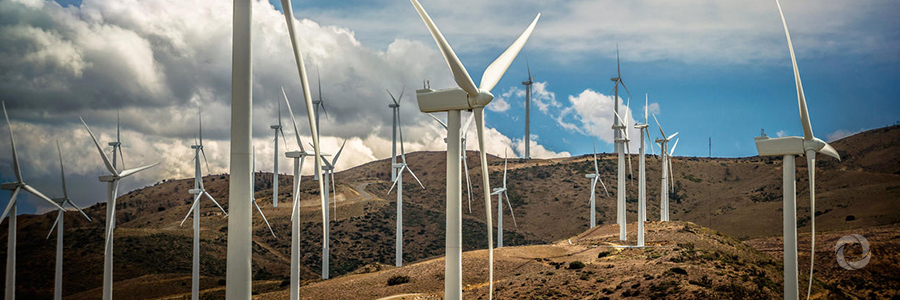
Driving the energy transformation is rapid changes with regards to the power sector. The price of PV modules dropped by more than 80% and the cost of electricity from solar PV fell by almost 75% in the years between 2009 and 2018, while the price of wind turbines fell by about 50% over the same period. Onshore wind electricity costs dropped by almost 25% between 2010 and 2018.
Renewable power generation accounted for an estimated quarter of total global power generation in 2017, yet the energy transition needs a further acceleration of this growth. According to IRENA’s analysis, a decarbonization of the power sector, in line with the climate objectives outlined in the Paris Agreement, would require a share of renewable energy in total electricity generation of 85% by 2050. Furthermore, the share of electricity consumed in the total energy demand of end-use sectors – industry, transport and buildings – need to double from around 20% in 2015 to 40% in 2050.
Technological, business and regulatory innovation still have a long way to go. We are still in the formative stages of a debate that has been, however, given a significant momentum by the urgent imperatives of climate change and growing energy demand. The platform that IRENA presents support an open-source approach, where all countries identify the best practice and then make it available to all.
Original source: IRENA
Published on 12 January 2019